
Carolina ash
Fraxinus caroliniana
Description
Growing requirements
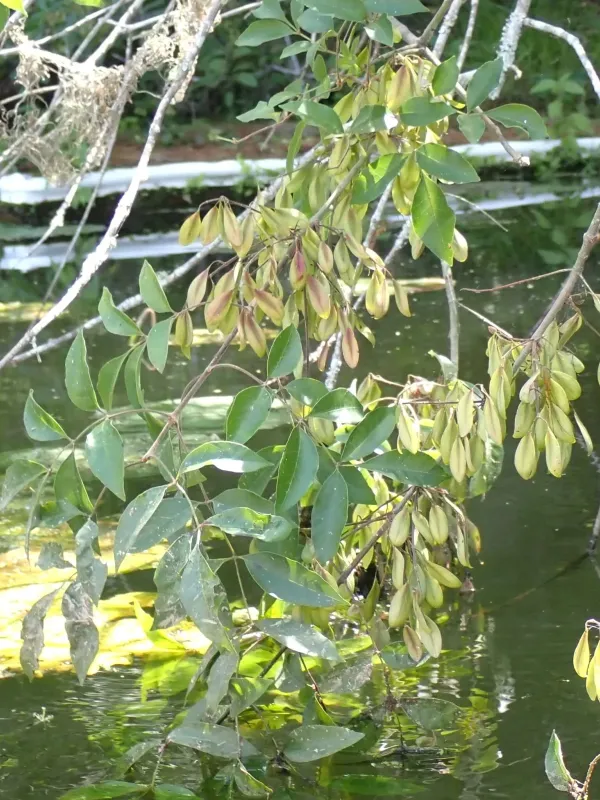
The Carolina ash (Fraxinus caroliniana) belongs to the Oleaceae family and is a small to medium-sized deciduous tree. In its native habitat, it is commonly found in wetlands, riverbanks, and floodplains, which explains its remarkable tolerance for waterlogged soil conditions.
For optimal growth, this tree requires full sun to partial shade exposure. It shows a unique adaptation to standing water, making it an excellent choice for poorly drained or heavy clay soils that are typically unsuitable for most other landscape trees.
Climatic requirements are focused on warm, humid environments, typical of the southeastern United States. The species has limited cold hardiness, which restricts its cultivation in temperate regions with harsh winters unless young saplings are provided with adequate protection during the cold season.
Cultural practices include monitoring soil moisture levels. During the active growing season, consistent watering is essential if rainfall is insufficient to keep the soil adequately hydrated. Balanced fertilizers applied in early spring help maintain vigor and support lush leaf growth.
Beyond its water-loving nature, the Carolina ash is known for its moderate growth rate. In landscaping, it is frequently used to enhance water-adjacent areas and pond surroundings, where it contributes to naturalized habitats with its characteristic spreading canopy.
Main diseases and pests
The primary threat to this species, as with many members of the Fraxinus genus, is invasive insect species. The Emerald Ash Borer represents the most significant danger, as its larvae feed on the cambium layer, frequently resulting in tree mortality once infestations reach critical levels.
Fungal diseases, such as anthracnose and various leaf spots, are common in environments with high humidity and poor air circulation. These pathogens often cause premature defoliation and may contribute to the progressive decline of the tree's overall health.
Regular phytosanitary monitoring is recommended to detect pest presence early. If an infestation is identified, systemic insecticides authorized for forest or landscape use should be applied according to professional guidelines to mitigate further damage.
Proactive sanitary pruning of dead or diseased branches can significantly reduce the potential for fungal spore spread. Maintaining healthy root zone conditions by preventing soil compaction is also vital to ensure the tree has access to essential oxygen and nutrients.
Strict adherence to wood movement regulations is necessary in regions where this tree is cultivated. Preventing the transport of infested timber is the most effective strategy to stop the spread of invasive pests that threaten ash populations across large geographical areas.