
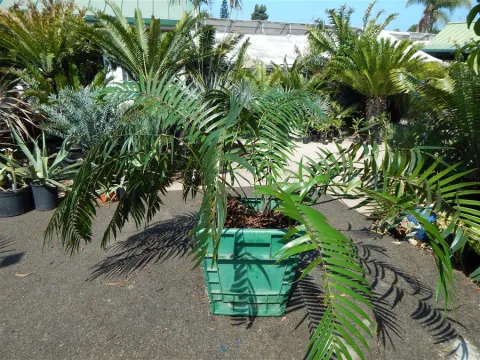
Ceratozamia
Ceratozamia
Ceratozamia is a genus of cycads within the Zamiaceae family, known for its ancient lineage and distinct botanical characteristics. These plants are characterized by a woody caudex and stiff, pinnate leaves, growing very slowly over many decades.
What the section contains


Ceratozamia
Originating primarily from the diverse ecosystems of Mexico, Ceratozamia species inhabit humid forests and steep, rocky terrains. They are well-adapted to environments that provide excellent drainage and protection from the harsh midday sun.
When cultivating these plants, the choice of substrate is critical. A mix consisting of orchid bark, coarse perlite, and organic peat provides the necessary drainage while maintaining adequate moisture levels for the root system.
Environmental requirements include consistent warmth, ideally between 18°C and 25°C, and high humidity levels. Unlike many other plants, they thrive in shaded or dappled light, mimicking their natural forest floor habitat.
Economically, Ceratozamia is primarily valued in the ornamental and botanical trade. Due to their slow maturation rate and conservation status, they are highly sought after by professional horticulturists and collectors of rare tropical flora.
Scale insects and mealybugs represent the primary pest threats to Ceratozamia. These pests attach themselves to the stems and leaf bases, causing significant sap loss and potential secondary viral infections.
Root rot remains the most common physiological disorder caused by over-irrigation. Ensuring a strict dry-down period between waterings is essential for maintaining a healthy caudex and root structure.
Spider mites can proliferate in environments with low air humidity, particularly during the dormant season. Regular misting and monitoring are recommended to prevent infestations that can discolor and weaken the foliage.
Fungal leaf spot diseases may occur if the foliage remains wet for extended periods in poorly ventilated greenhouse conditions. Proper spacing and airflow are crucial to minimize the risk of pathogen outbreaks.
Mechanical injuries to the trunk or base can serve as entry points for bacterial soft rot. Any physical damage should be treated with fungicidal paste to protect the integrity of the plant's vascular system.