


Reference · Crops
Cedar
Cedrus
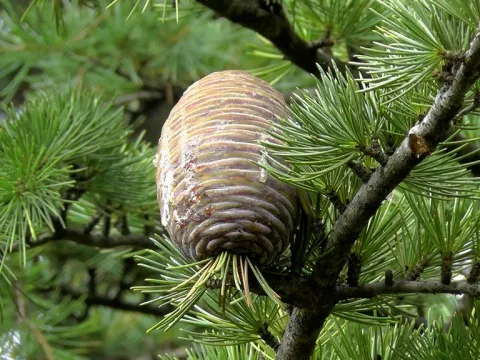
The genus Cedrus belongs to the Pinaceae family and comprises four distinct evergreen species: Atlas, Cyprus, Himalayan, and Lebanon cedars. It is important to note that these are distinct from the Siberian cedar pine, which is often mistakenly referred to as cedar.
3
items
What the section contains
Marketplace
Products in this section · 1
Cedar
Cedars thrive in sunny, open locations with protection from harsh winds. While young trees show some tolerance to shade, mature specimens require full sun to maintain their characteristic dense canopy structure and healthy growth rates.
The ideal soil conditions are deep, fertile, and well-drained. Cedrus species are highly susceptible to root rot if planted in heavy, waterlogged clay, as they require high levels of oxygen in the root zone to flourish.
Climate requirements vary by species, though most Cedrus cultivars prefer Mediterranean-type climates with mild winters and warm, dry summers. Proper site selection based on the specific species' hardiness zone is crucial for success.
Agrotechnical management requires consistent irrigation during the establishment phase, coupled with light fertilization using specialized conifer-friendly formulas. Avoid high-nitrogen fertilizers that encourage rapid, fragile growth.
The primary economic use of true cedar is in high-end forestry and decorative landscaping. Its regal silhouette makes it a premium choice for public parks, arboretums, and large-scale estate gardens.
Cedar wood is prized for its durability, resistance to wood-decaying insects, and aromatic oils. It is frequently utilized in luxury cabinetry, musical instrument manufacturing, and building materials.
Essential oils extracted from Cedrus species are utilized in the pharmaceutical and fragrance industries for their antiseptic and soothing properties. This provides a secondary source of value for managed cedar stands.
In addition to wood and oil production, cedars serve as vital environmental buffers, providing shelter for wildlife and contributing to soil stabilization in erosion-prone areas.
Given their extreme longevity, cedar plantations represent a long-term asset, capable of providing ecosystem services and harvestable timber for generations to come.
Pathogenic fungi are the most significant threat to Cedrus, often proliferating in conditions of poor air circulation and excessive soil moisture. Root rot is the primary cause of mortality in poorly managed sites.
Insect pests, particularly aphids (hermes) and spider mites, can cause significant damage to needles, leading to chlorosis and premature leaf drop. Early detection is essential for effective mitigation.
Bark beetles pose a risk to stressed or damaged trees. Maintaining tree vigor through proper site management and removing deadwood is the most effective form of preventative control.
Nutrient imbalances, particularly iron deficiency or lime-induced chlorosis, often occur in alkaline soils, necessitating the application of chelated iron to restore needle color.
- Regular inspection of bark and foliage.
- Sanitary pruning of infested sections.
- Integrated pest management (IPM) strategies.