
Cuban pine
Pinus cubensis
Description
Growing requirements
The Cuban pine (Pinus cubensis) is a coniferous tree belonging to the family Pinaceae. It is a rare endemic species native exclusively to the eastern mountains of Cuba, specifically flourishing in regions such as the Sierra Maestra and Nipe-Sagua-Baracoa ranges.
This species is highly specialized, having adapted to thrive on serpentine-derived soils that are typically nutrient-poor and acidic. Its ability to colonize these harsh substrates makes it a unique botanical subject within the Caribbean pine group.
Climatic requirements for this pine include a tropical to subtropical environment with consistent temperatures and significant rainfall. It is well-suited to the high humidity levels found in its native mountain ranges, which support its evergreen physiology.
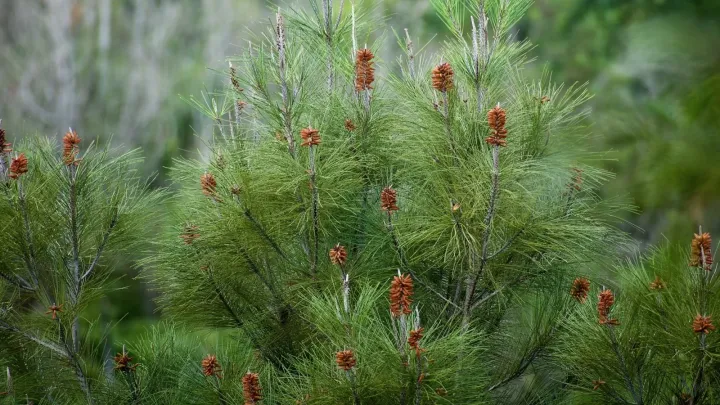
Botanically, Pinus cubensis features a straight trunk and slender, dark green needles bundled in pairs or triplets. Its cones are woody and dense, facilitating seed dispersal in the challenging conditions of mountainous tropical ecosystems.
From a socioeconomic perspective, the tree is valued for its timber, which is used locally in construction and manufacturing. Beyond wood production, its role in protecting steep mountainous slopes from soil erosion is vital for the stability of local watersheds.
Main diseases and pests
Wildfires represent the single most significant threat to the survival of Pinus cubensis forests. Given the dry seasons typical of the region, fire suppression and management are crucial for maintaining the long-term health of these ecosystems.
Various insect pests, including wood-boring beetles, can cause significant damage to stressed trees. Outbreaks are often exacerbated by drought conditions, making effective forest monitoring a primary management priority.
Pathogenic fungi affecting needle foliage and root systems are common in low-lying, poorly drained nursery areas. Implementing strict nursery hygiene is essential to prevent the spread of diseases among saplings before they are transplanted.
Habitat degradation due to human land use and illegal logging remains a persistent concern. The fragmentation of forests reduces the genetic pool, making the species more vulnerable to environmental changes and potential extinction.
Invasive plant species pose a constant challenge to natural regeneration. These competitors can overshadow young Cuban pine seedlings, preventing them from accessing the sunlight necessary for successful maturation and canopy recruitment.