
Dalat pine
Pinus dalatensis
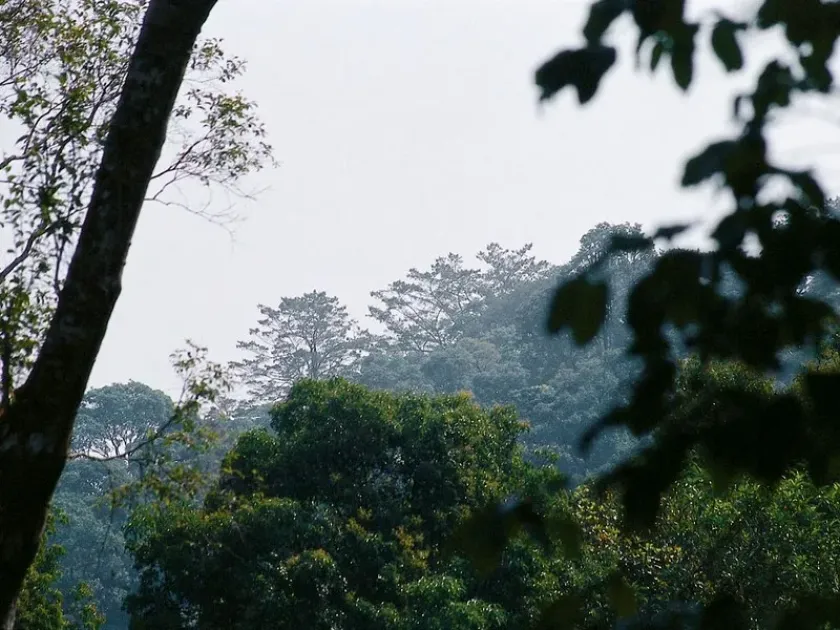
Description
Growing requirements
The Dalat pine (Pinus dalatensis) is a rare coniferous tree species belonging to the Pinaceae family. Native to the highlands of Vietnam, particularly the Lang Biang plateau, this species is highly regarded for its ecological role in mountain ecosystems.
This tree flourishes in high-altitude environments, typically thriving at elevations ranging from 1500 to 2500 meters above sea level. It requires a cool and humid tropical climate, characterized by frequent fog and consistent moisture throughout the year.
Cultivation requires well-drained, acidic, and nutrient-rich soils. The Dalat pine cannot tolerate waterlogged conditions, making the selection of an appropriate site with excellent natural drainage a fundamental requirement for successful forest establishment.
Due to its slow growth rate, proper nursery management is essential. Young trees need protection from intense, direct solar radiation and must be shielded from sudden weather shifts, ensuring a gradual acclimation to the outdoor environment.
In terms of forestry, the Dalat pine is valued for its wood quality, although its primary significance lies in conservation efforts and its role as an iconic species within its narrow native distribution range.
Main diseases and pests
The main threats to the Dalat pine population are habitat destruction and deforestation. As an endemic species with a restricted distribution, it is highly sensitive to environmental changes and requires strict protection policies.
Fungal diseases, including needle blight and various root pathogens, pose a constant threat, especially in nurseries where humidity levels are difficult to control. Maintaining proper air circulation around seedlings is a critical preventative measure.
Insect pests, specifically bark beetles and wood-boring insects, can devastate stands if left unchecked. A systematic monitoring program is vital to detect infestations at early stages and prevent the widespread loss of trees in mountainous regions.
Integrative pest management is recommended, favoring natural biological control methods over chemical interventions to protect the fragile soil and water quality of high-altitude habitats where these trees reside.
Consistent health assessments and the removal of dead or dying biomass are necessary to reduce the risk of secondary infections and pest outbreaks. Foresters must prioritize the ecological integrity of the site to support the tree's long-term resilience.