
Cedar hybrids
Cedrus hybrids
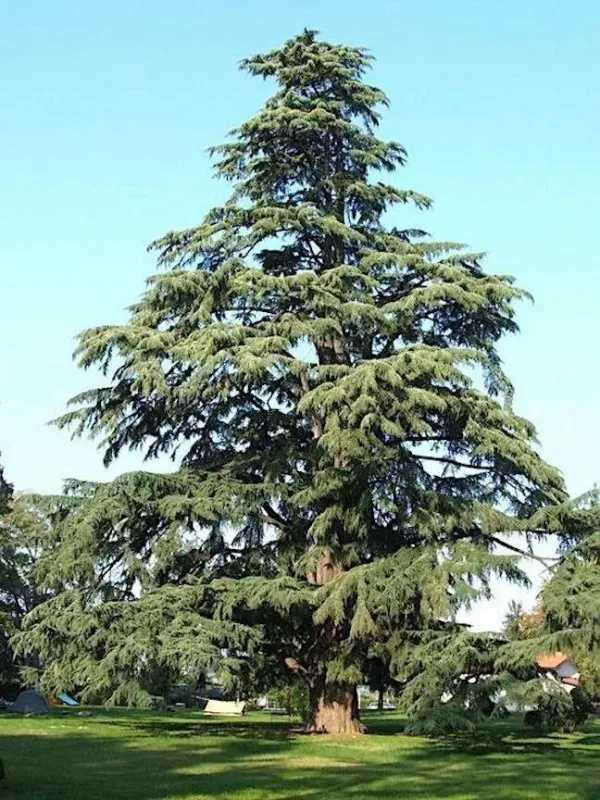
Description
Growing requirements
Cedar hybrids belong to the Pinaceae family. These cultivars are produced through cross-breeding between different species of the Cedrus genus, aiming to achieve superior vigor, climate adaptability, and distinct ornamental characteristics.
These trees thrive in well-drained, deep, and nutrient-rich soils. They show a strong aversion to waterlogged conditions, which can lead to root rot and eventual tree decline, making soil preparation crucial before planting.
The climate requirements vary depending on the parental species, but most hybrids prefer temperate regions with mild winters and adequate rainfall. Proper site selection should avoid areas prone to late spring frosts.
Cultural practices involve standard arboricultural techniques, including regular irrigation during the establishment phase and mulching to regulate soil temperature and moisture levels around the root system.
Economic and landscape use includes high-value timber production, urban forestry, and as specimen trees in botanical gardens. Their aromatic wood and distinctive foliage make them highly desirable for various landscaping projects.
Main diseases and pests
Common pests include cedar aphids and adelgids, which suck sap from the needles and twigs. These pests can significantly weaken the tree if populations are not controlled early in the season.
Fungal diseases, such as needle cast (Lophodermium spp.) and various types of rust, represent significant threats in humid climates. Maintaining proper air circulation by spacing trees correctly is an effective preventative measure.
Bark beetles pose a severe threat to the health of the trees, particularly during drought conditions when natural resistance is compromised. Timely removal of dead or dying branches is necessary to minimize the risk.
Root rot, often caused by Phytophthora species, is a common issue in poorly drained soils. Management involves strict adherence to irrigation protocols and using fungicides if the infection is caught early.
Systematic monitoring and annual health assessments are essential for maintaining a healthy plantation. Providing balanced nutrition via specialized fertilizers helps the trees withstand minor pest and disease outbreaks.