
Acacia terminalis
Acacia terminalis (Salisb.) J.F.Macbr.
Description
Sowing dates
Acacia terminalis, commonly known as the Sunshine Wattle, is propagated through seeds which require specific pre-treatment before sowing in early spring.
The seeds possess a hard, water-impermeable coat, necessitating scarification or immersion in boiling water to initiate the germination process successfully.
Seeds should be sown in a well-draining, sandy-loam potting mix at a depth of approximately 1-2 centimeters to ensure healthy development of the primary root.
Nursery management involves maintaining a consistent soil moisture level and providing protection from direct, harsh winds during the initial germination phase.
Once seedlings achieve a height of about 20 centimeters, they are ready for hardening off in a nursery setting before being transplanted into their permanent location.
Growing requirements
This species belongs to the Fabaceae family and is native to the eastern parts of Australia, thriving in temperate to warm climates with sufficient light.
It prefers well-drained soil profiles; heavy clay soils that retain excess moisture should be amended with organic matter or grit to improve drainage.
Acacia terminalis is a sun-loving plant that achieves its best growth potential when planted in full sun exposure, although it tolerates partial light in peak summer.
The plant has moderate tolerance for dry conditions once established, but regular watering is vital during the first growing season to ensure deep root penetration.
Minimal fertilization is usually required, as the plant can fix nitrogen from the atmosphere through symbiotic relationships with soil bacteria.
Yield
The primary utility of Acacia terminalis lies in its extensive use for landscaping, ornamental gardening, and habitat restoration in suitable climate zones.
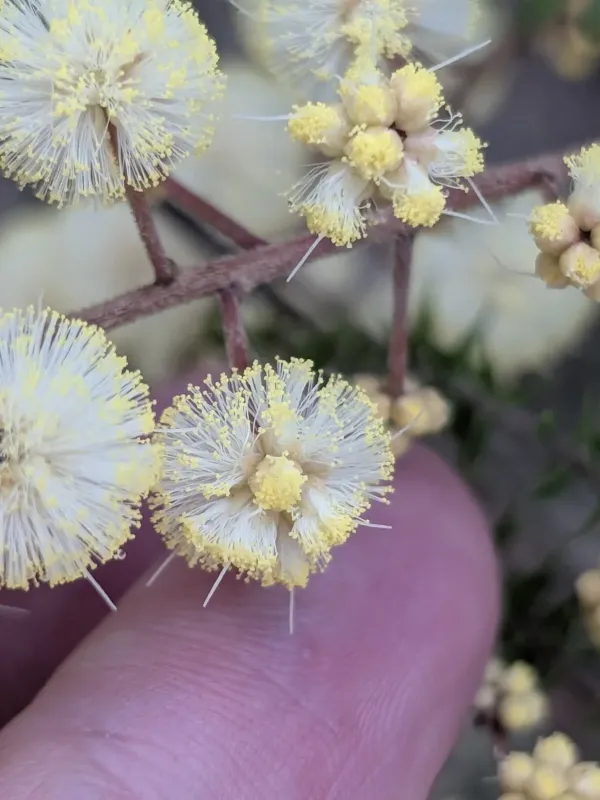
It serves as an excellent feature plant due to its striking yellow, rod-shaped flower spikes that provide significant visual interest during the flowering season.
As a nitrogen-fixing shrub, it acts as a soil improver, making it valuable for reforestation projects and soil rehabilitation in degraded landscapes.
The species also contributes significantly to local biodiversity by acting as a host plant for various insects and supporting pollinators in the ecosystem.
While not a primary commercial timber crop, its wood is sometimes utilized for small-scale woodcraft due to its unique grain and aesthetic quality.
Main diseases and pests
The most significant threats to Acacia terminalis include root rot pathogens, which thrive in poorly drained soil conditions and high humidity environments.
Pests such as aphids and spider mites are common concerns, particularly during prolonged periods of drought and high heat in the summer months.
Scale insects can attach to the stems and branches, potentially weakening the plant by depleting its sap and encouraging the growth of sooty mold.
Regular monitoring of the foliage and stems is necessary to identify early signs of infestation and prevent large-scale spread across the shrubbery.
Management strategies involve keeping the area around the base clean, ensuring proper airflow, and applying appropriate biological or chemical controls when needed.