
Slender thistle
Carduus tenuiflorus Curtis
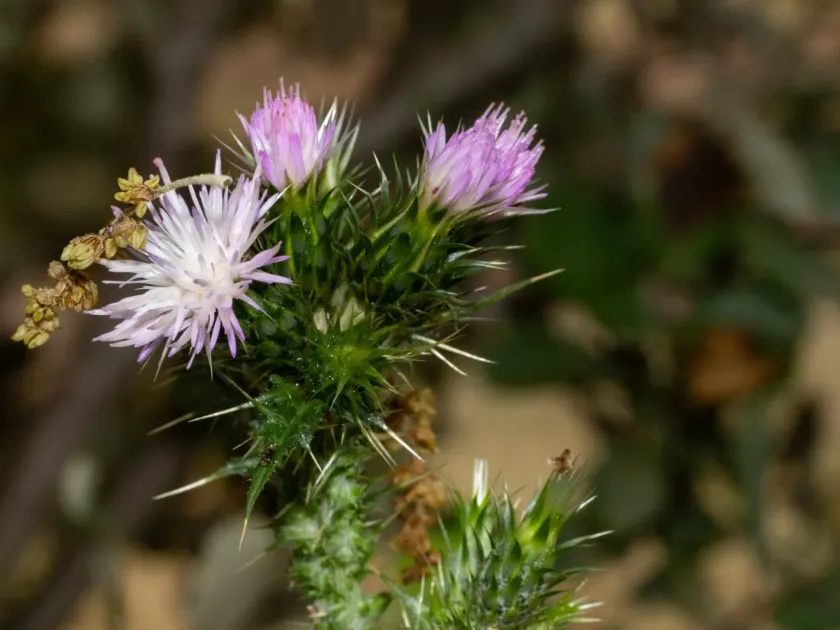
Description
Growing requirements
The slender thistle (Carduus tenuiflorus) is an annual or biennial herbaceous plant belonging to the Asteraceae family. It is recognized globally as a significant weed that infests pastures, waste grounds, and cultivated fields.
Originally native to Western Europe and the Mediterranean, the species has successfully invaded various regions including North America and Australia. Its adaptability makes it a persistent competitor in disturbed agricultural landscapes.
The plant thrives in nutrient-rich soils, particularly those high in nitrogen. It prefers well-drained loamy soils but shows remarkable resilience to varied moisture levels, allowing it to colonize diverse environmental niches.
Climate-wise, the slender thistle prefers regions with mild winters and wet springs. It is highly efficient at water uptake, which gives it a competitive edge in regions experiencing seasonal dry spells during the summer months.
Effective management requires a combination of strategies. Producers often rely on early-season cultivation and the maintenance of vigorous crop stands to shade out seedlings, as the plant is a poor competitor against established perennial grasses.
Main diseases and pests
Biological control agents are frequently deployed against this species. Several species of weevils and tephritid flies are known to target the flower heads, significantly reducing the viability and quantity of seed production.
Fungal pathogens such as Puccinia carduorum cause rust, which is a major threat to the plant's health. These pathogens damage leaf tissue, leading to a reduction in photosynthetic capacity and overall vigor.
Overgrazing of pastures serves as a primary driver for thistle infestation. When the ground cover is disturbed and soil is left bare, the seeds of the slender thistle quickly germinate and establish dense colonies.
Chemical control remains a staple in intensive farming. Selective systemic herbicides applied at the rosette stage are most effective, as the waxy cuticle on mature leaves makes later treatments less reliable.
- Regular mowing before seed set.
- Introduction of biological predators.
- Proper pasture management to prevent bare soil.