
Slender-flowered thistle
Carduus pycnocephalus L.
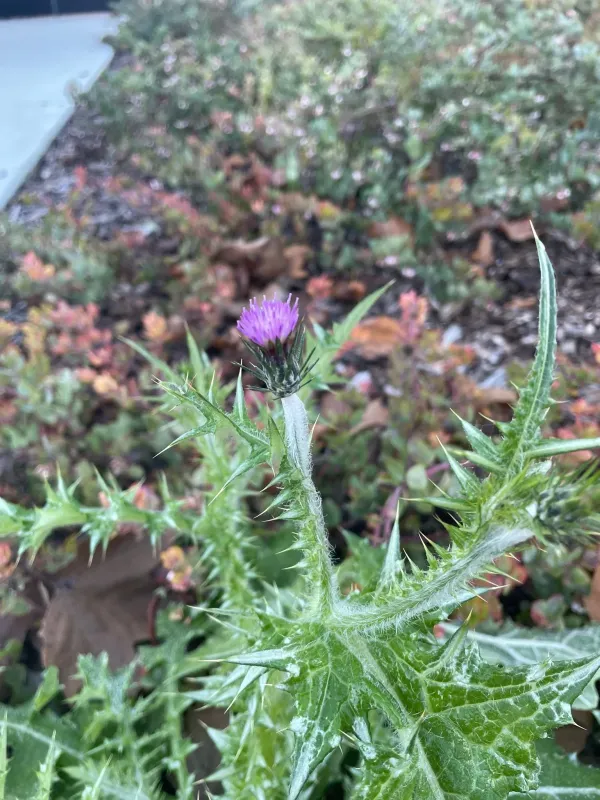
Description
Growing requirements
Carduus pycnocephalus, known as the slender-flowered thistle, is a winter annual or biennial herb belonging to the Asteraceae family. In agriculture, it is primarily recognized as a persistent weed that invades disturbed sites and grazing lands.
The plant thrives in fertile, well-drained soils, but it is highly adaptive to a variety of conditions, including rocky or gravelly textures. Its ability to establish in areas with low competition makes it a common colonizer of fallow fields and degraded grasslands.
Environmental requirements for this species include high light intensity and moderate temperature regimes. As a Mediterranean native, it exhibits significant drought tolerance, allowing it to complete its life cycle even during seasonal dry periods.
Botanically, it is identified by its upright, branched stem reaching heights of up to 1.5 meters, and leaves covered in sharp spines. The distinct small flower heads are usually clustered at the ends of branches, which is a key diagnostic feature of the species.
Economically, it is rarely cultivated and is usually considered a nuisance. It reduces the utility of pastures, as its prickly nature prevents livestock from grazing in infested areas, leading to decreased biomass utilization and potential animal injury.
Main diseases and pests
Slender-flowered thistle is subject to various fungal diseases, such as rusts, which can stunt its growth and reduce reproductive efficiency. These pathogens are sometimes investigated as biocontrol agents to manage its density in natural ecosystems.
Insect pests also play a role in limiting the spread of this thistle. Various species of weevils focus their feeding on the seeds, significantly reducing the viability of the seed bank for the following growing season.
The primary challenge in managing this weed is its prolific seed production. A single plant can produce a vast amount of seeds that remain viable in the soil for several years, making long-term control a necessity.
Mechanical control, such as mowing or cultivation before the plant sets seed, is considered the most effective strategy. Chemical herbicides are used, but their efficacy is highly dependent on timing, typically yielding the best results during the rosette stage.
- High susceptibility to specific fungal pathogens
- Control by seed-feeding weevils
- Significant impact on grazing capacity
- Prolific seed bank formation