
Welted thistle
Carduus acanthoides L.
Description
Growing requirements
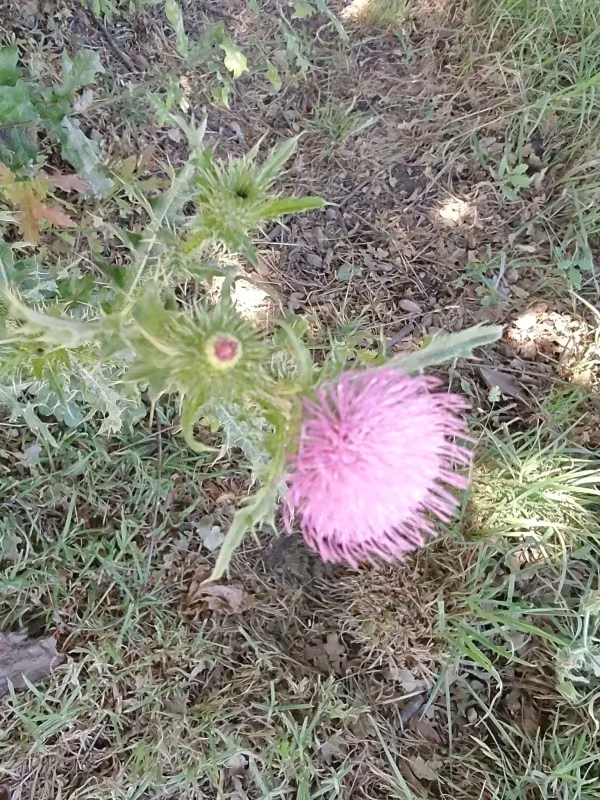
Welted thistle (Carduus acanthoides L.) is a biennial plant belonging to the Asteraceae family. It is characterized by a basal rosette of prickly leaves during the first year and a tall, branched stem covered in spines during the second year of growth.
Native to Eurasia, it has spread extensively across various temperate regions. The plant thrives in nitrogen-rich soils and is commonly found in disturbed sites, such as pastures, roadsides, and abandoned agricultural fields where competition is limited.
The plant exhibits high ecological tolerance. It grows effectively in various soil types, ranging from sandy loams to heavier clays, provided there is adequate light availability for photosynthesis throughout the growing season.
Agronomically, it acts as a competitor to desired pasture species. Because livestock typically avoid the plant due to its sharp spines, it can dominate grazing lands if not managed properly through integrated weed control strategies.
Despite its status as a weed, the species is valued as a late-summer honey plant. It provides a significant source of high-quality nectar for pollinators, contributing to the biodiversity of rural ecosystems and supporting local beekeeping activities.
Main diseases and pests
Welted thistle is generally robust against diseases, though it can be susceptible to powdery mildew and rust under high humidity conditions. These pathogens can weaken the plant but rarely lead to the total collapse of a population.
Insect pests, particularly seed-feeding weevils, play a vital role in natural control. These insects target the flower heads, significantly reducing the viability and total number of seeds produced by individual plants.
Mechanical control is the most effective approach for pasture management. Mowing the plants before the flowering stage prevents seed set and helps exhaust the nutrient reserves stored in the taproot over consecutive years.
Chemical intervention is recommended during the rosette stage. Selective broadleaf herbicides provide effective control, minimizing the impact on desirable forage grasses and helping to restore pasture productivity.
Biological control programs have explored the introduction of specific insects from the native range of the thistle. These agents assist in reducing population density and spread, serving as a sustainable alternative to chemical sprays.