
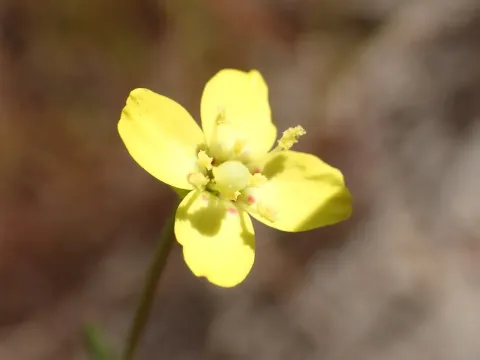
Camissonia
Camissonia
Camissonia is best sown directly into the open ground as it possesses a taproot system that is highly sensitive to transplanting. Direct seeding ensures that the root structure remains intact, which is vital for the plant's health and development.
What the section contains

Camissonia
The ideal time for sowing is early spring once the threat of severe frost has passed and the soil has sufficiently warmed up. Proper soil temperature is crucial for consistent germination and early growth.
The seeds are relatively small and should be scattered over the surface of well-prepared soil, covered only by a light dusting of sand or vermiculite. Avoid deep planting, as it significantly inhibits germination rates.
For a garden layout, it is recommended to maintain a spacing of at least 30 centimeters between individual plants. This spacing prevents overcrowding and allows each plant to reach its full potential during the growing season.
Maintaining a stable moisture level is essential during the germination phase. The soil should be kept lightly damp for the first two weeks, but never waterlogged, as excess moisture will rot the small seeds.
Camissonia, a member of the Onagraceae family, originates from arid regions of Western North America. Its evolutionary history has made it a resilient plant that thrives in challenging, dry environments.
Sunlight is the most critical requirement for this crop. It demands full sun to bloom effectively and maintain its characteristic low-growing, lush appearance. Shade will result in weak, leggy stems and fewer blossoms.
The plant prefers sandy or gritty soils with excellent drainage. It is highly intolerant of heavy clay soils that retain moisture, which can cause rapid root rot and systemic failure of the plant.
While Camissonia is drought-tolerant, supplementary watering during prolonged dry spells will help maintain its aesthetic appeal. Watering should be deep but infrequent to encourage a robust, deep root system.
Soil pH should ideally be neutral or slightly alkaline. The plant does not require high levels of fertilization; in fact, overly rich soil can lead to excessive foliage growth at the expense of flower production.
Fungal diseases such as powdery mildew represent a significant threat, especially if the plants are situated in areas with poor airflow or high humidity. Proper spacing is the primary cultural control for these diseases.
Root rot is the most common killer of Camissonia, usually induced by poor drainage. Preventing water accumulation at the base of the plant is the most effective strategy to avoid this fatal condition.
Pests like aphids and spider mites can infest the plant, particularly during hot, dry summer periods. They feed on the tender sap, causing leaf curling and general stunting of the plant's growth.
Slugs and snails may attack young seedlings during wet spring conditions. Using mulch made from sharp materials or setting up barriers can effectively deter these pests from the young, vulnerable plants.
Regular monitoring of the garden beds allows for early detection of issues. Applying organic insecticidal soaps or specific fungicides as soon as the first signs of trouble appear will protect the crop.