
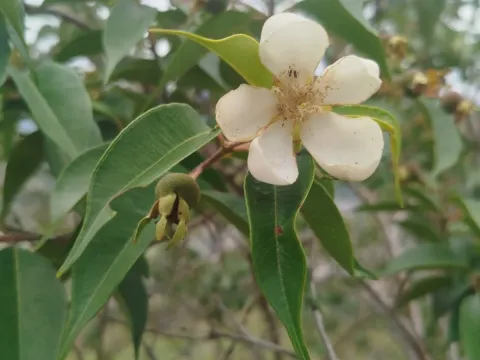
Calycolpus
Calycolpus
Calycolpus is a genus of evergreen trees and shrubs belonging to the Myrtaceae family. These plants are native to the tropical forests of South and Central America, thriving in regions with high year-round rainfall and stable temperatures.
What the section contains

Calycolpus
Successful cultivation requires well-drained, fertile soil with a slightly acidic to neutral pH. Poor soil drainage poses a significant risk of root rot, so selection of planting sites with a natural slope is highly recommended for commercial setups.
As a tropical species, Calycolpus is sensitive to frost and cold temperatures. The ideal growth environment features temperatures ranging from 22°C to 30°C, supporting optimal physiological activity and leaf development.
These plants perform best under bright, dappled sunlight. In harsh tropical sun, excessive direct exposure can scorch the leaves, so intercropping with taller trees or providing light shade structures can improve overall plant health.
Good agricultural practice emphasizes maintaining high humidity and steady soil moisture. Organic mulch is beneficial, as it retains water in the root zone and suppresses weed growth, contributing to a stable micro-environment.
The fruit of the Calycolpus is an edible berry characterized by a distinct aromatic profile, often used in local cuisines for making jams, jellies, and refreshing beverages. Yield is highly dependent on the tree's maturity and canopy management.
Commercial potential for this crop lies in the exotic fruit sector. Though still primarily harvested from semi-wild populations, the increasing interest in native tropical fruits is encouraging small-scale plantations to formalize cultivation.
The wood of certain Calycolpus species is dense and durable, sometimes utilized in local construction or for tool handles. However, the plant's primary economic value remains in its reproductive yield of fruit.
Pruning is essential for higher yields. By maintaining an open canopy structure, farmers ensure better light penetration and air circulation, which helps the tree direct its energy towards producing larger, healthier fruit.
Harvesting usually occurs when the berries reach a specific stage of color development. Given the delicate nature of the fruit, careful handling is required to prevent bruising and to maintain post-harvest quality for market distribution.
Calycolpus trees are susceptible to common tropical pests such as scale insects and mealybugs. These pests sap nutrients from young shoots, leading to stunted growth and reduced fruit yield if left unmanaged.
Fungal leaf spots are common in high-humidity environments, especially when airflow within the canopy is restricted. Proper spacing between trees is a critical preventive measure against these moisture-loving pathogens.
Integrated Pest Management (IPM) is the most sustainable approach for managing these trees. Encouraging beneficial insects, such as ladybugs and predatory wasps, provides natural control over common pest populations.
Root-knot nematodes can become a problem in sandy soil conditions. Growers should focus on building robust soil health through the consistent application of organic matter to foster beneficial soil micro-organisms.
Routine inspection of the foliage and stems is vital for early detection of issues. Removing affected twigs and keeping the orchard floor clean prevents the buildup of inoculum for future infections.