
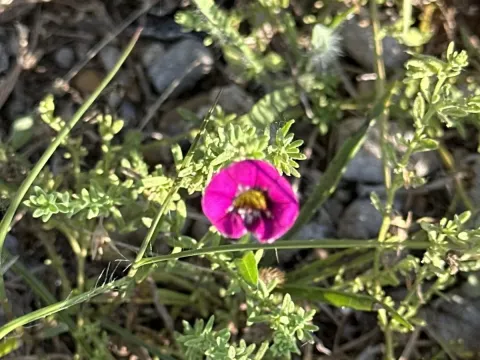
Calibrachoa
Calibrachoa
Calibrachoa is a genus of perennial subshrubs belonging to the Solanaceae family, widely cultivated for their ornamental value. These plants are prized for their prolific blooming habit and trailing growth pattern, making them a staple in hanging baskets and balcony containers.
What the section contains


Calibrachoa
Originating from South America, these plants thrive in environments with ample sunshine and well-drained soils. They have adapted to produce masses of small, bell-shaped flowers that bloom continuously throughout the growing season when provided with optimal conditions.
The substrate requirement for Calibrachoa is very specific: it must be light, porous, and have a slightly acidic pH level between 5.5 and 6.0. Using the wrong soil medium typically results in nutrient lockout, specifically hindering the plant's ability to uptake iron.
Climatic requirements involve stable temperatures and protection from harsh weather conditions. While they are heat-tolerant to an extent, they flourish best in moderate temperatures, requiring consistent moisture without being waterlogged, which can quickly lead to root rot.
Agrotechnical practices center on regular feeding and pruning. Since the root system in containers is limited, high-quality, iron-rich liquid fertilizers applied weekly are essential for maintaining leaf color and preventing the characteristic yellowing of foliage.
Root rot is the most devastating disease affecting Calibrachoa, often caused by overwatering or poor drainage systems. Once the root system is compromised, recovery is difficult, making prevention through controlled watering the best defense.
Pest pressure is primarily driven by spider mites and whiteflies, especially during hot and dry spells. These pests colonize the underside of leaves and can rapidly deplete the plant's resources if not managed with targeted insecticidal treatments.
Aphids are another common threat that feed on the soft, succulent tips of new growth. Their presence can stunt development and facilitate the spread of viral pathogens that may be present in the garden environment.
Iron-deficiency chlorosis remains the most frequent physiological issue. It is easily identified by the yellowing of leaves with green veins and is usually corrected by adjusting the irrigation water's pH or applying chelated iron supplements.
Powdery mildew may occur when humidity levels are high and air circulation is insufficient. Proper spacing of plants and ensuring that foliage remains dry during irrigation significantly lowers the risk of fungal outbreaks.