
Calibrachoa hybrids
Calibrachoa hybrids
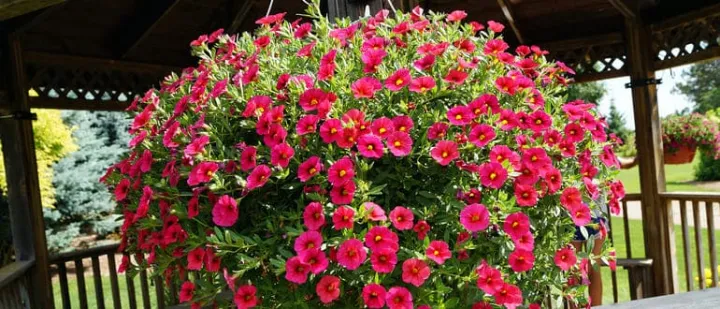
Description
Sowing dates
Calibrachoa hybrids (Calibrachoa hybrids) belong to the Solanaceae family. They are widely recognized as perennial herbaceous semi-shrubs, though typically managed as annuals in commercial landscape design.
Propagation of these hybrids is primarily performed through cuttings. This method ensures the genetic uniformity of the offspring, which is essential for commercial flower production.
The sowing or cutting season typically begins in late winter, providing sufficient time for the plants to reach a marketable size by spring.
Standard horticultural practices require using high-quality rooting media and maintaining consistent humidity levels within the propagation greenhouse.
Transplanting into final containers is executed once the risk of frost has passed, ensuring the plants establish a strong root system before the heat of summer.
Growing requirements
Calibrachoa thrives in well-drained, porous growing media with a slightly acidic pH range between 5.5 and 6.0. High alkalinity results in iron deficiency chlorosis.
Water management is critical. The substrate must remain moist but never waterlogged; improper drainage is the leading cause of root health degradation in this crop.
Exposure to full sunlight is essential for maintaining plant vigor and promoting continuous blooming throughout the active growth period.
Consistent fertilization is required, specifically incorporating iron chelates into the nutrient program to prevent yellowing of the foliage.
Thermal stability is preferred, although the plants can tolerate moderate heat if sufficient irrigation is provided to the root zone.
Main diseases and pests
Root rot, including Pythium and Phytophthora species, represents the most significant pathological threat to healthy Calibrachoa development.
Insects such as aphids, thrips, and whiteflies frequently infest these plants, necessitating rigorous integrated pest management (IPM) strategies.
Leaf chlorosis caused by nutrient imbalances is a common physiological issue that requires precise pH management of the irrigation water and soil.
Preventative measures include maintaining adequate spacing between plants to improve airflow and reduce the incidence of foliar diseases.
Monitoring for pest outbreaks and applying selective contact or systemic insecticides ensures high aesthetic value throughout the product lifecycle.