
Calibrachoa elegans
Calibrachoa elegans
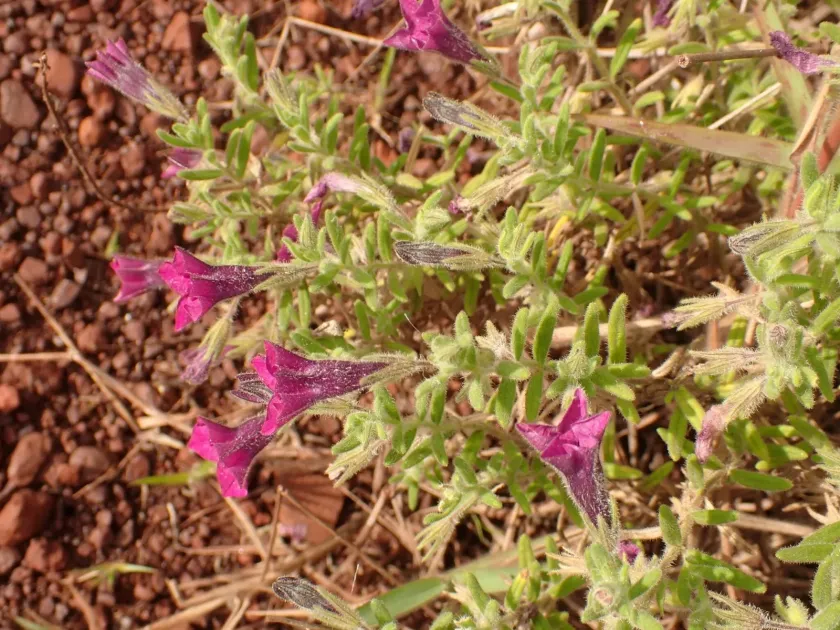
Description
Sowing dates
Calibrachoa elegans is primarily propagated via cuttings to ensure the preservation of varietal characteristics. Cuttings are taken from healthy mother plants and rooted in a sterile, well-draining medium under high humidity conditions.
Seed propagation is possible but more challenging due to the small size of the seeds and slow germination rates. Sowing typically begins in late winter in indoor trays, requiring consistent warmth and supplemental lighting to foster healthy seedling development.
The substrate for seedlings must be finely textured and have a pH level suitable for Solanaceae plants. Proper aeration is crucial to prevent damping-off, a common fungal issue that affects seedlings in overly saturated environments.
Transplanting seedlings to individual pots occurs once the root system is sufficiently developed to hold the soil ball together. This ensures minimal transplant shock and encourages faster vegetative growth in the subsequent weeks.
Gradual acclimatization to outdoor environments is a prerequisite for success. Hardening off the plants over several days allows them to adjust to natural light intensities and temperature fluctuations before final placement in containers or beds.
Growing requirements
Calibrachoa elegans is a member of the Solanaceae family, closely related to petunias but distinguished by its refined, smaller foliage and prolific flowering habit. It is an excellent choice for hanging baskets and decorative containers due to its cascading growth pattern.
Full sun is essential for optimal flower production and compactness. While the plant can tolerate partial shade, insufficient light will result in leggy stems and a significant reduction in the number of blooms throughout the season.
A high-quality potting mix that is slightly acidic and rich in organic matter is highly recommended. The substrate must provide superior drainage to avoid waterlogging, as the root system of this species is sensitive to anaerobic conditions.
Regular fertilization with a balanced, iron-rich liquid fertilizer is vital during the active growing season. Since Calibrachoa is a heavy feeder, consistent nutrient supply prevents foliage yellowing and supports continuous floral display.
Watering should be managed based on environmental conditions, aiming to keep the root zone consistently moist but not saturated. Using pots with adequate drainage holes and lightweight potting media is standard practice for professional growers.
Main diseases and pests
Spider mites are the most persistent threat to the plant, especially in hot, dry environments. They thrive under the leaf surface and can cause significant damage if not detected and treated early with appropriate miticides.
Aphids tend to cluster on new growth, causing curling and stunted development. Standard integrated pest management practices, including the use of insecticidal soaps or systemic pesticides, are effective for maintaining plant health.
Powdery mildew often appears during periods of high humidity combined with limited air circulation. Preventive measures include proper spacing of plants and the application of fungicides when the first signs of white fungal growth appear.
Root rot is a critical threat often caused by poor drainage or overwatering. Once roots are compromised, recovery is difficult; therefore, focus must remain on preventive strategies like using clean growing media and appropriate irrigation techniques.
Nutrient deficiencies, particularly iron chlorosis, are common in this species when soil pH is too high. Maintaining the correct acidity level and supplementing with chelated iron helps restore the vibrant green color of the foliage.