
Calandrinia micrantha
Calandrinia micrantha
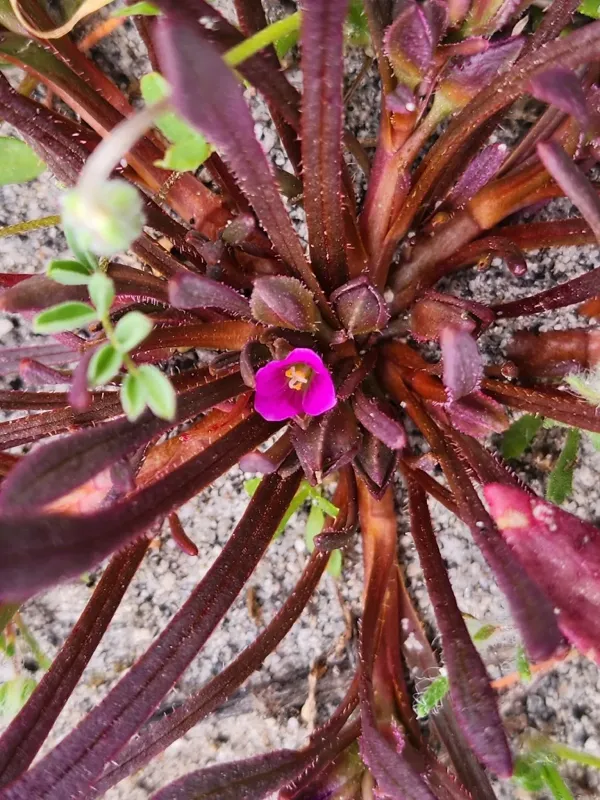
Description
Sowing dates
The sowing of Calandrinia micrantha should occur after the risk of late spring frost has passed. Typically, late April or May provides the ideal temperatures for germination, as the plant prefers warmth to establish its root system efficiently.
Seeds are exceptionally small and should be sown on the surface of the soil. Press them gently into the growing medium to ensure good contact, but do not bury them deeply, as they require light to germinate properly.
For early bloom, start seeds indoors in trays using a well-draining seed-starting mix. Keep the trays in a sunny location and maintain consistent moisture, but ensure that the seedlings do not become waterlogged or suffer from damping-off disease.
Thinning is an essential step for outdoor plantings. Seedlings should be spaced at least 20 to 25 centimeters apart to allow for proper airflow and development. Crowded plants are much more prone to fungal infections and stunted growth.
Transplanting should be done with care as this species does not appreciate significant root disturbance. If starting indoors, using biodegradable pots that can be placed directly into the ground is the most effective method for successful growth.
Growing requirements
As a member of the Montiaceae family, Calandrinia micrantha thrives in full sun. Exposure to at least six to eight hours of direct sunlight daily is crucial for producing vibrant flowers and maintaining a compact, healthy growth habit.
Soil requirements focus heavily on drainage. The plant performs best in sandy or gritty soils that prevent water from standing around the roots. In clay-heavy regions, incorporating gravel or coarse sand is necessary to improve aeration.
The plant is naturally adapted to dry conditions and exhibits excellent drought tolerance. Once established, it requires minimal supplemental irrigation, making it a sustainable choice for xeriscaping or low-maintenance flower beds.
Regarding nutrition, avoid over-fertilization. Excess nitrogen will result in excessive foliage growth at the expense of floral display. A balanced, slow-release fertilizer applied once in the spring is usually sufficient to support the season's growth.
Temperature management is secondary to moisture control. While the plant can handle high summer heat, it is sensitive to cold, wet autumns. Ensuring the soil remains dry during late season transitions is vital for the plant's health.
Main diseases and pests
The primary concern for Calandrinia micrantha is root rot, which typically stems from poor soil drainage or excessive watering. Once the root system is compromised, the plant is difficult to recover, making prevention the best strategy.
Slugs and snails represent the most common biological threat. These pests can rapidly defoliate younger plants. Implementing physical barriers such as crushed eggshells or copper tape around the base of the plant can provide effective protection.
Aphids may occasionally infest the tender buds during the early flowering stage. While usually not fatal, a severe infestation can weaken the plant and reduce the duration of the bloom. Natural predators or insecticidal soaps can be used if necessary.
Fungal issues such as powdery mildew can occur during periods of high humidity combined with poor airflow. Maintaining adequate spacing between plants is the most effective cultural practice to reduce the likelihood of these pathogens appearing.
Regular sanitation, including the removal of dead leaves and spent flower stalks, helps reduce the environment where pests and diseases hide. Keeping the garden bed clear of weeds also reduces competition for nutrients and light.