
Calandrinia balonensis
Calandrinia balonensis
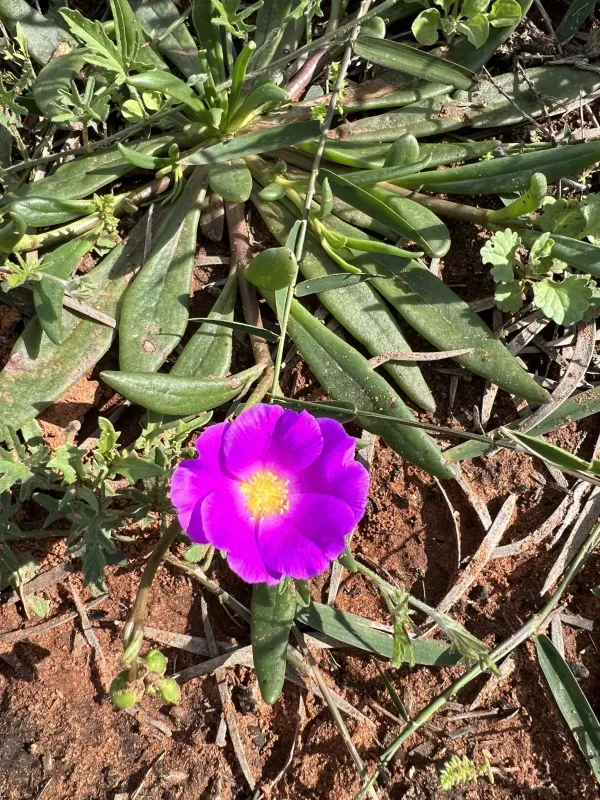
Description
Sowing dates
Calandrinia balonensis belongs to the Montiaceae family and is an annual herbaceous plant native to the arid interior of Australia. It is highly adapted to environments with irregular rainfall and significant temperature fluctuations.
Sowing should be performed in early spring when temperatures remain consistently above 15 degrees Celsius. Seeds should be sown lightly on the surface of the soil, as light is necessary to stimulate germination.
For container-grown crops, a sandy, well-draining potting mix is essential. The germination process is relatively quick, usually occurring within two weeks if the conditions remain warm and moderately moist.
Direct seeding in the field is possible in regions with suitable climates, provided the weed competition is managed effectively during the early seedling stage.
Proper spacing is crucial to prevent fungal infections; it is recommended to keep plants at least 20–30 centimeters apart to allow for proper air circulation.
Growing requirements
This species requires full sun exposure to thrive. Any degree of shade will lead to etiolation, where the stems become weak and leggy, significantly reducing the visual appeal of the crop.
The soil must be well-draining, ideally composed of a sandy or gritty medium. Heavy soils that retain water are detrimental to the plant's root system and often lead to root rot.
Watering should be kept to a minimum. Calandrinia balonensis is a drought-tolerant succulent that stores water in its leaves; therefore, allow the soil to dry out completely between waterings.
The plant performs best in warm, dry climates. Humidity control is vital, as excessive air moisture combined with cool temperatures can cause physiological stress.
Fertilizing should be done sparingly, if at all. A light application of a balanced, low-nitrogen fertilizer during the early vegetative phase is sufficient to support healthy growth.
Main diseases and pests
Root rot is the most significant threat to this crop. It is typically caused by overwatering or poor drainage systems that keep the root zone consistently damp.
Pests like aphids and spider mites can infest the plant, especially in greenhouses or sheltered areas with poor air circulation, necessitating regular monitoring.
Fungal diseases such as botrytis can appear if the plants are overcrowded or if high humidity persists for long periods, damaging the leaves and flowers.
Preventative measures include maintaining excellent airflow, avoiding overhead watering, and using sterile soil mixtures to reduce the risk of pathogen transmission.
Regular inspection of the underside of the foliage is recommended to catch early signs of pest infestation and to initiate immediate manual or biological control.