
Compressed purslane
Calandrinia compressa
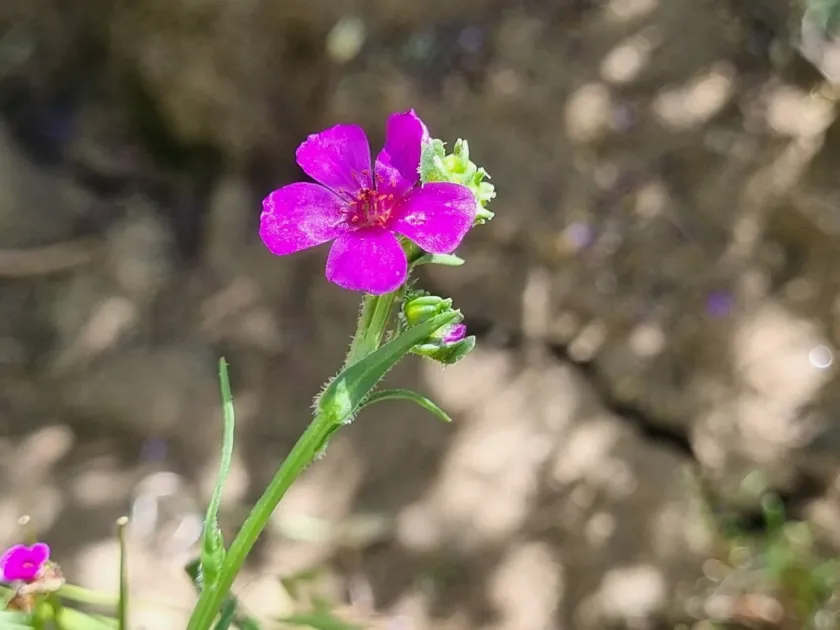
Description
Sowing dates
Sowing Calandrinia compressa should be timed to coincide with the arrival of stable, warm weather. It is a heat-loving plant, and planting in cold, damp soil will result in poor germination rates and stunted early development.
The seeds are exceptionally small, necessitating shallow sowing. Ideally, they should be pressed lightly into the soil surface or covered with a very thin layer of fine sand, no deeper than 0.5 centimeters, to allow adequate light for germination.
Spacing is a critical factor for the health of the plants. Seedlings should be thinned or spaced at intervals of 15-20 centimeters to allow for optimal airflow and to prevent the development of moisture-related pathogens in dense leaf rosettes.
For areas with short growing seasons, starting seeds indoors in modular trays is recommended. This allows the plants to establish a robust root system before being transplanted into the permanent site after the danger of frost has passed.
Consistency is key during the germination phase. Keeping the soil surface slightly moist for the first two weeks ensures that the tiny seeds do not dry out before they can establish themselves, though once established, the plant requires much less water.
Growing requirements
Calandrinia compressa, belonging to the Montiaceae family, is a succulent-like plant that thrives in environments with high light intensity. It is biologically adapted to store water in its tissues, allowing it to withstand periods of drought with ease.
Full sun is non-negotiable for this species. Even partial shade will cause the plants to become leggy and significantly reduce the profusion of its vibrant flowers, which are the main reason for its cultivation in agricultural and landscape settings.
The soil must have exceptional drainage. Heavy, water-retaining clay soils are unsuitable unless amended with significant amounts of grit or perlite to improve permeability and prevent root suffocation during wet spells.
Nutrient requirements are modest compared to leafy vegetable crops. A soil with low to medium fertility is preferable; excessive nitrogen application should be avoided as it promotes vegetative growth that can weaken the plant's structural integrity.
Climatically, this plant excels in arid or semi-arid conditions where the air is dry. High humidity levels combined with stagnant air can lead to physiological stress, making it essential to choose a site with good natural ventilation.
Main diseases and pests
Root rot is the most significant threat to this species, typically caused by waterlogged soil conditions. Ensuring that the site has a fast-draining substrate is the most effective preventative measure against fungal infection in the root zone.
Aphids can pose a threat during dry spells, focusing their feeding on the terminal buds and developing flowers. Regular monitoring is essential, and targeted treatment with insecticidal soap is usually sufficient to manage small infestations.
Slugs and snails can cause damage to the foliage, particularly in the spring when plants are succulent and soft. Using coarse mulch, such as gravel or crushed rock, around the base of the plant acts as a deterrent to these pests.
Powdery mildew may occur if planting density is too high or if the plants are placed in stagnant, humid air pockets. Proper spacing and location choice remain the primary defense mechanisms against this common fungal issue.
Maintaining a healthy, dry environment for the foliage while keeping the roots secure is the foundation of protecting Calandrinia compressa. Given its natural adaptation to harsh conditions, it is a low-maintenance crop if requirements are met.