
Calandrinia litoralis
Calandrinia litoralis
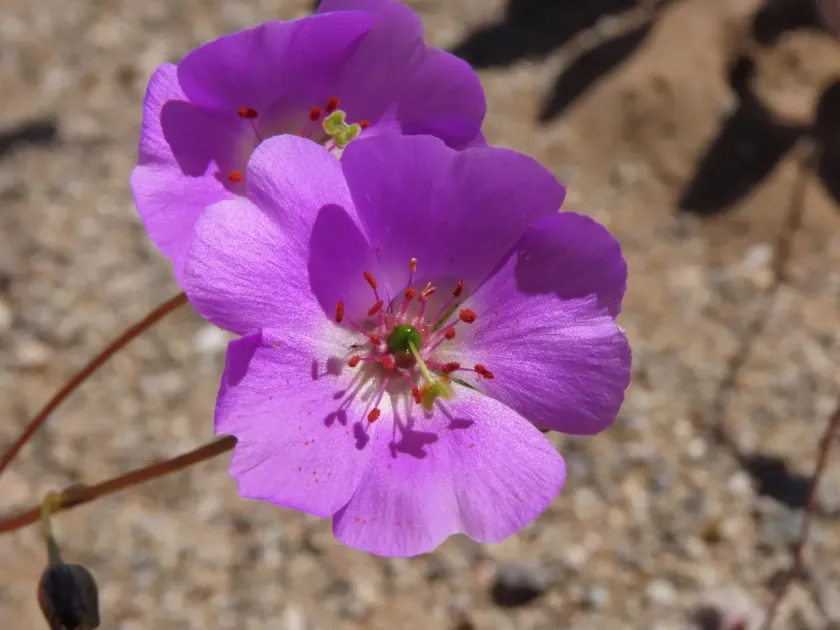
Description
Sowing dates
Calandrinia litoralis is a herbaceous perennial belonging to the Montiaceae family. It is often grown as an annual in cooler climates where frost threatens its overwintering survival.
Seeds should be sown indoors in late winter or early spring, approximately six to eight weeks before the last expected frost. Use a light, well-draining seed-starting mix, barely covering the seeds.
Maintain temperatures between 18 and 22 degrees Celsius for successful germination. Adequate light is essential as soon as seedlings emerge to prevent leggy growth.
When sowing directly into the garden, ensure the soil has warmed sufficiently. Proper spacing is critical to allow the root system to develop without competing for resources.
The plant adapts well to various environments provided there is sufficient air circulation and the correct substrate composition from the early seedling stages.
Growing requirements
This species thrives in sunny, open locations. Full sun is essential for the plant to develop compact, dense rosettes and to ensure a prolific and vibrant blooming season.
The soil must be sandy or stony and possess superior drainage properties. Calandrinia litoralis cannot tolerate waterlogged soil, which leads to rapid root rot.
Naturally adapted to coastal environments, it is quite resistant to wind and salt spray, making it an excellent candidate for seaside gardens with poor, rocky soils.
The water requirements are low, consistent with its succulent nature. It is drought-tolerant, so avoid excessive irrigation which can compromise the plant's health.
Fertilization should be kept to a minimum. Excess nitrogen often results in lush green growth at the expense of floral production, which is the plant's primary decorative feature.
Main diseases and pests
Fungal diseases remain the most significant threat, particularly in regions with high atmospheric humidity or poor drainage in the planting area.
Root rot is the most common issue caused by overly saturated soil. Proper site selection and adding grit to the soil mixture are the best preventative measures.
Slugs and snails may damage the fleshy leaves, particularly during cool, damp spring weather. Monitoring and manual removal are often effective control strategies.
Aphids might occasionally colonize the flower buds. If an infestation occurs, it should be managed using organic insecticidal soap or neem oil treatments.
Good ventilation is key to preventing grey mold (Botrytis). Avoid overhead watering to keep the foliage dry and minimize the risk of pathogen transmission.
Harvesting
Seeds are collected once the capsules turn brown and dry. Careful timing is necessary because the seeds are prone to scattering once the pods crack open.
Deadheading faded flower stalks throughout the season helps maintain the plant's tidy appearance and encourages the production of secondary blooms.
If cultivated for cut flowers, harvest the stems in the morning when the buds are just beginning to open to maximize their vase life.
The flowers are delicate and should be handled with care to prevent bruising the petals during transport or arrangement.
For long-term storage, seeds must be thoroughly dried in a well-ventilated, shaded area before being stored in paper envelopes in a cool, dry place.