
Caladium striatipes
Caladium striatipes
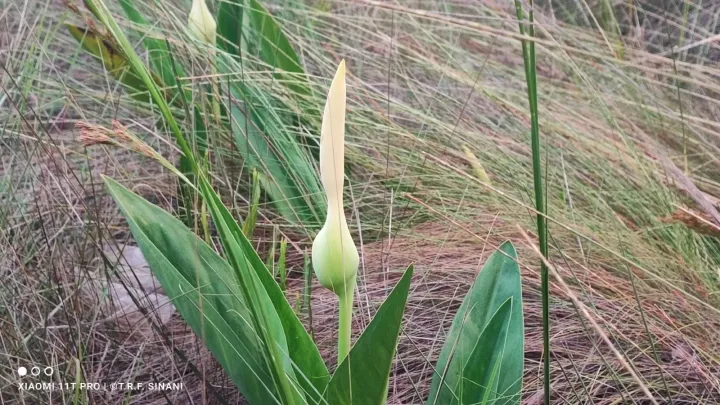
Description
Growing requirements
Caladium striatipes is a decorative herbaceous plant belonging to the Araceae family. Originating from the tropical regions of South America, it is highly valued for its distinctively marked foliage, which adds a unique aesthetic to indoor gardens and greenhouse collections.
This species thrives in high-humidity environments, ideally between 60% and 80%, and requires warm temperatures consistently ranging from +22 °C to +26 °C. Exposure to cold drafts or temperatures below +18 °C can trigger premature dormancy and damage the tubers.
The substrate must be highly porous and well-draining to prevent waterlogging. A mixture composed of peat moss, pine bark, and perlite is recommended to maintain an acidic pH and ensure sufficient oxygenation for the root system during the growing season.
Light requirements for Caladium striatipes involve bright, indirect light. While it is a shade-tolerant plant in its native habitat, providing adequate light in cultivation is essential to maintain the vibrant color intensity of the leaves and prevent the plant from becoming leggy.
Watering should be managed carefully: the soil should remain consistently moist but never waterlogged during the active growth phase. Once the foliage begins to yellow in late autumn, water must be gradually withheld to allow the tuber to enter its natural winter resting period.
Main diseases and pests
Root and tuber rot are the most critical threats, typically caused by overwatering or poor drainage systems. Pathogens such as Erwinia can cause soft rot, which is often fatal if not caught in the early stages and treated with fungicides.
Spider mites are common indoor pests that flourish in dry conditions. They colonize the underside of leaves, causing speckling and webbing, which can be mitigated by increasing humidity and applying appropriate miticides when necessary.
Mealybugs are another persistent pest that hides in the foliage axils, draining the plant's vigor. Manual removal with a cotton swab dipped in rubbing alcohol is often effective for minor infestations on ornamental specimens.
Aphids can target the tender, emerging leaves, leading to stunted growth and leaf distortion. Regular scouting and the application of insecticidal soaps provide effective control without harming the delicate tissue of the plant.
Fungal leaf spots, often associated with high humidity and poor air circulation, can disfigure the foliage. Improving airflow and ensuring the leaves remain dry during irrigation help significantly in managing these conditions.