
Caladium praetermissum
Caladium praetermissum
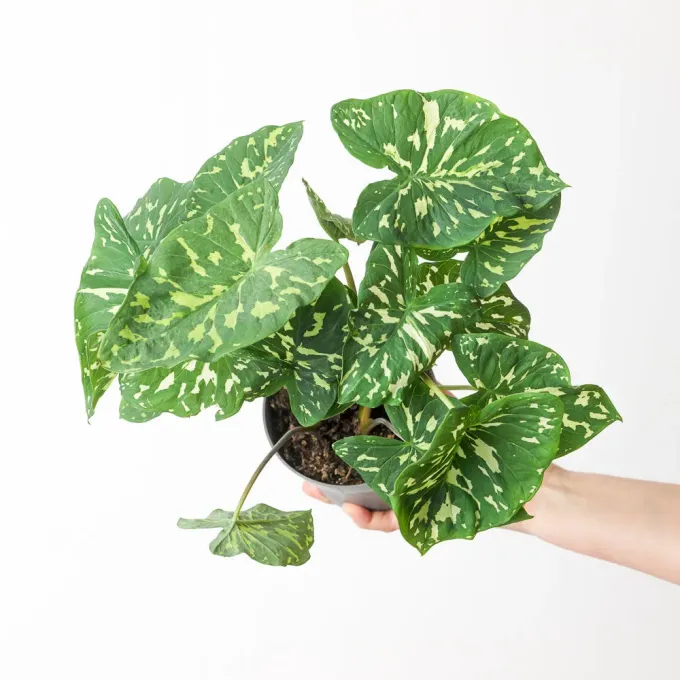
Description
Growing requirements
Caladium praetermissum is a perennial herbaceous plant belonging to the Araceae family. Native to the tropical regions of Southeast Asia, this species thrives in environments characterized by high humidity, stable warm temperatures, and filtered sunlight, typical of dense forest understories.
For successful agricultural production, the temperature must be strictly maintained between +22°C and +28°C. Being a tropical plant, it is extremely sensitive to cold; temperatures falling below +15°C can trigger dormancy or result in severe damage to the sensitive tuberous root system.
The cultivation medium requires a loose, well-draining, and nutrient-rich soil composition. A substrate based on high-quality peat, leaf mold, and perlite is recommended to ensure adequate aeration and prevent the root zone from becoming waterlogged, which is a primary cause of crop failure.
Optimal growth is achieved under bright, indirect light conditions. Direct exposure to intense solar radiation causes leaf scorching, while inadequate light leads to spindly growth and the loss of the plant's characteristic vibrant leaf patterns, reducing its commercial value.
Maintaining atmospheric humidity at a range of 70-80% is essential for healthy leaf development. In large-scale greenhouse operations, the use of automated misting systems is standard practice to replicate the natural habitat and promote vigorous vegetative growth throughout the season.
Main diseases and pests
The primary threats to Caladium praetermissum are fungal diseases, such as Fusarium and Phytophthora, which cause tuber rot. These pathogens proliferate rapidly in conditions where soil moisture is poorly managed or drainage is inadequate, leading to significant yield losses.
Pest management is focused on controlling the spider mite, which thrives in drier environments and causes significant damage by feeding on the sap of the foliage. Infested leaves lose their color, become brittle, and eventually die, compromising the plant's overall health and aesthetic appeal.
Mealybugs represent another significant challenge, often congregating in protected areas like leaf axils. Their presence not only weakens the plant through sap extraction but also promotes the growth of sooty mold, which blocks photosynthesis and lowers plant productivity.
Preventative agronomic practices, such as treating tubers with fungicides before planting and ensuring proper ventilation between plants, are critical. Monitoring for early signs of infection allows for targeted intervention, reducing the need for broad-spectrum chemical applications.
Control of insect pests should involve the rotation of chemical agents to prevent the development of resistance. By employing an integrated pest management strategy, including both biological controls and effective chemical rotation, growers can maintain high-quality stands.