
Caladium picturatum
Caladium picturatum
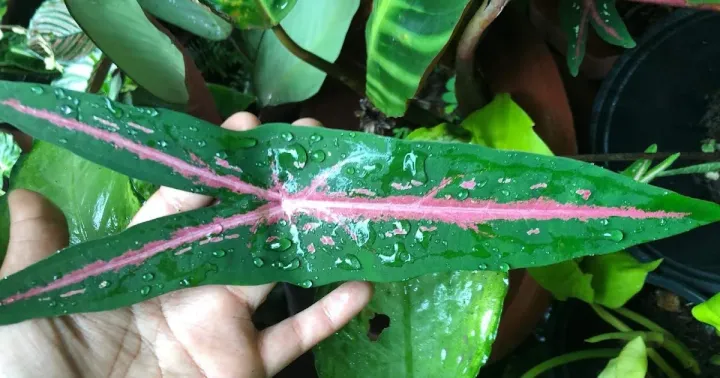
Description
Growing requirements
Caladium picturatum is a perennial tuberous ornamental plant belonging to the Araceae family. Originating from the tropical regions of South America, this species thrives in humid forest environments and is widely appreciated for its decorative foliage.
The botanical structure consists of a central tuber that remains dormant during the dry season and produces a cluster of colorful, heart-shaped or lanceolate leaves during the growing period. These leaves feature intricate patterns of veins and contrasting spots.
Successful cultivation requires a warm climate with temperatures consistently above +22°C. Caladiums are highly sensitive to frost and cold drafts, making them suitable primarily for indoor, greenhouse, or sheltered garden environments in non-tropical zones.
The growing medium must be porous, nutrient-rich, and slightly acidic. A well-structured soil mix that allows for proper aeration and drainage is essential, as saturated conditions around the tuber will quickly lead to fungal rot.
In terms of light, the plant prefers bright, filtered illumination. Direct sunlight is harmful and causes leaf scorch, while extremely low light levels result in the loss of the vibrant pigmentations that characterize this species.
Main diseases and pests
Spider mites are the most common pest affecting Caladium picturatum, especially when the indoor humidity is kept too low. These pests colonize the underside of the leaves, resulting in stippling and eventual leaf necrosis.
Fungal rots, particularly caused by Fusarium species, present a significant threat to the tubers. This usually occurs if the storage conditions are too damp or if the growing substrate lacks proper drainage, leading to rot.
Mealybugs can also infest the plant, settling in the leaf axils and feeding on the sap. Early detection and the application of appropriate systemic insecticides are necessary to control these infestations before they become systemic.
Bacterial leaf spot is another concern, typically encouraged by overhead watering and high humidity without sufficient air circulation. It manifests as dark, water-soaked spots on the foliage that expand rapidly.
Maintaining hygiene during tuber storage is crucial. All stored tubers should be kept in a dry, cool place and checked periodically for signs of decay to prevent the spread of pathogens to healthy stock.