
Burmannia madagascariensis
Burmannia madagascariensis
Description
Growing requirements
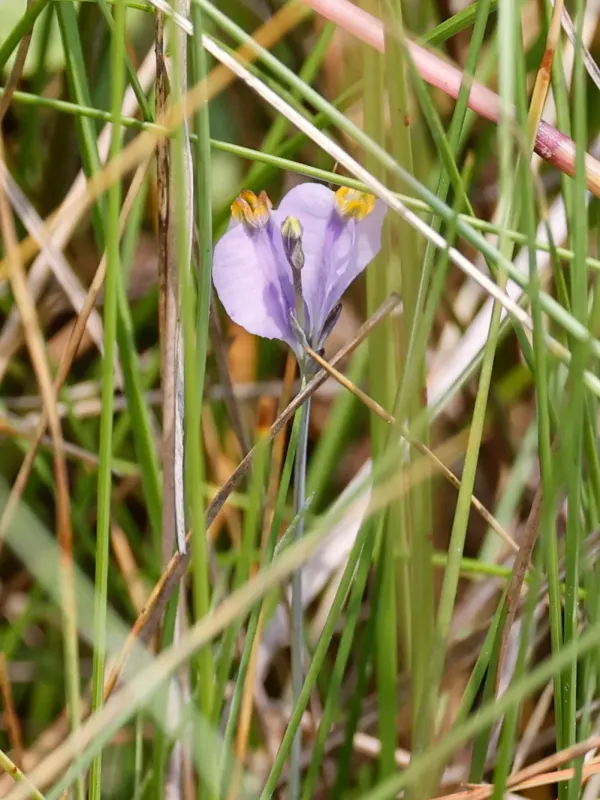
Burmannia madagascariensis is a distinct species of herbaceous plant classified within the Burmanniaceae family. It is recognized for its delicate structure and its specialized physiological strategy, often involving complex associations with soil fungi to fulfill its nutritional needs.
The natural distribution of this species is primarily focused on Madagascar and select African regions. It thrives in tropical environments, characterized by high atmospheric humidity and persistent moisture levels, commonly found in wetland ecosystems or along riverbanks.
Successful growth of this plant depends heavily on environmental stability. It is particularly sensitive to desiccation and requires a substrate that remains consistently damp throughout the year. The tropical climate of its native habitat provides the necessary thermal balance for the plant's development.
Regarding soil requirements, the species prefers acidic soils that are rich in decomposing organic matter. Because of its dependence on mycorrhizal relationships, the physical and chemical properties of the soil must support the presence of specific fungal communities required for the plant's survival.
While not a traditional agricultural crop, the species holds significant value for conservation and ecological research. Studies of the genus Burmannia provide critical insights into plant evolution and the intricate relationships between flora and soil microorganisms in fragile tropical biomes.