
Burmannia biflora
Burmannia biflora
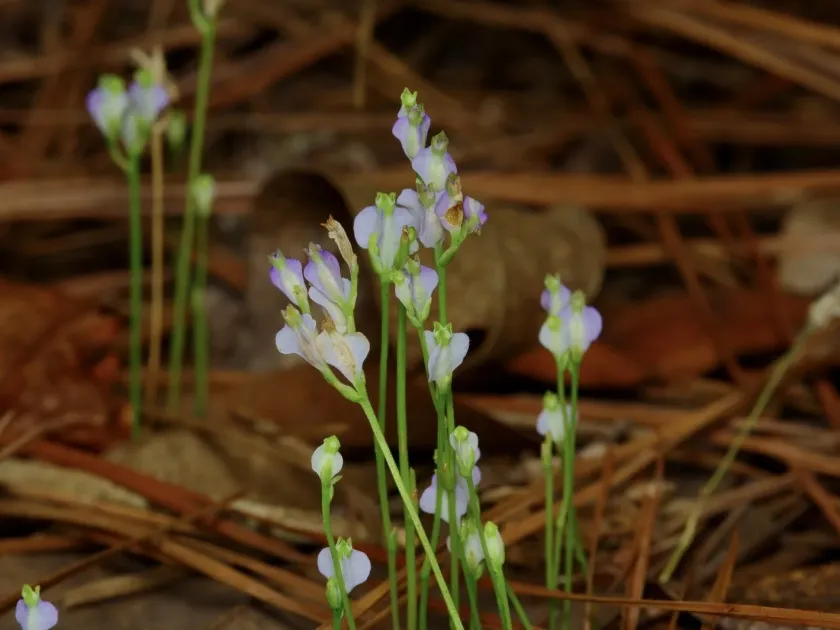
Description
Growing requirements
Burmannia biflora is a member of the Burmanniaceae family, a group of monocotyledonous plants known for their unique physiological traits. The species is characterized by its small stature and its life strategy that often involves dependence on mycorrhizal fungi for essential nutrient acquisition.
The natural range of this plant is primarily located in North America, specifically in the southeastern United States. It thrives in wet environments such as bogs, wet pine barrens, and margins of ponds where the soil is consistently moist, acidic, and relatively poor in mineral nitrogen.
Regarding climate and soil requirements, the species is highly specialized. It necessitates a high-humidity environment and acidic, nutrient-poor, sandy soils to flourish. Attempting to grow this species outside its native habitat is extremely difficult due to the requirement for specific fungal symbionts.
Botanically, Burmannia biflora features a slender stem with scale-like leaves and distinct, often blue or white flowers arranged at the apex. Its reduced root system reflects its evolutionary adaptation to ecosystems where it can supplement its nutrition via mycoheterotrophy rather than relying solely on photosynthesis.
While the plant has no commercial agricultural use, it is of significant interest to botanists and conservationists. Protecting its habitat is crucial for maintaining biodiversity in wetland ecosystems, as the plant serves as a biological indicator for pristine and stable bog environments.