
Sky-blue burmannia
Burmannia coelestis
Description
Growing requirements
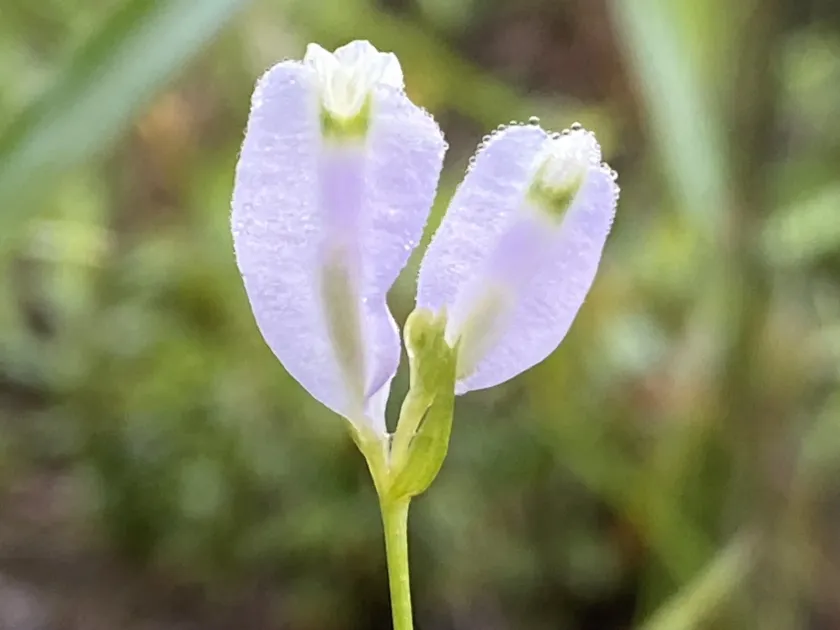
The Sky-blue burmannia (Burmannia coelestis) is a fascinating herbaceous plant belonging to the Burmanniaceae family. It is known for its delicate, sky-blue tubular flowers and its specialized, often mycoheterotrophic lifestyle in its native habitat.
This species is native to tropical regions of Southeast Asia, including parts of India, Indonesia, and Northern Australia. It typically inhabits damp grasslands, sandy swamps, and areas with high humidity, where it relies on specific soil fungi to thrive.
For cultivation, the plant requires a strictly controlled tropical environment with temperatures consistently between 22 and 28 degrees Celsius. Humidity levels must remain high, ideally above 75%, to mimic the moist forest floors where it originates.
The soil requirements are very specific: a highly acidic, nutrient-poor, sandy-peat substrate is necessary. Unlike many agricultural crops, it does not respond well to fertilizers; instead, it depends on a healthy microbial environment in the soil.
Its primary use is in scientific research and specialized ornamental gardening. Because it is a delicate plant, it is rarely seen outside of botanical garden collections, where its beautiful blue blooms are highly appreciated by enthusiasts.
Main diseases and pests
The most significant threat to Burmannia coelestis is fungal root infection. Since the plant is sensitive to substrate oxygenation, stagnant water quickly leads to decay, making proper drainage design essential for its survival.
Pests such as spider mites can infest the plant if humidity levels are not maintained. These pests quickly damage the leaves, reducing the plant's ability to photosynthesize and sustain its symbiotic relationships.
The disruption of the natural fungal association in the root zone is a major biological threat. If the soil microbiome is compromised, the plant will fail to absorb nutrients efficiently and eventually decline.
Environmental stress, including sudden drops in temperature or exposure to chemical fertilizers, can be fatal. It is a highly sensitive plant that requires stable conditions and a careful, minimalist approach to maintenance.
Viral infections are rare but can occur due to transmission from adjacent infested plants. Maintaining a strict quarantine for new plants and using clean tools is the best strategy for disease prevention in a conservatory setting.