
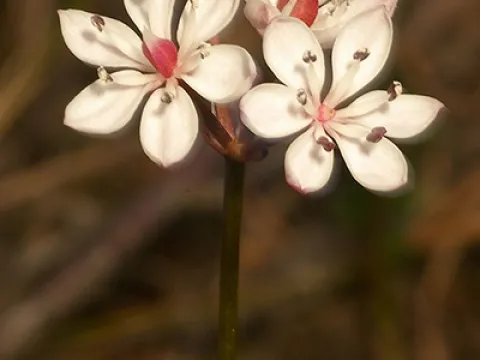
Burchardia
Burchardia
Burchardia is a genus of perennial bulbous plants belonging to the family Colchicaceae. In professional gardening, sowing seeds is the initial step for propagation, usually performed in containers filled with a well-draining, sterile substrate.
What the section contains


Burchardia
Seeds require a period of stratification to mimic natural environmental cycles, which helps overcome dormancy and encourages uniform germination. Proper moisture levels must be maintained throughout the germination phase, which can be quite lengthy for this genus.
Sowing depth is typically kept shallow, around 0.5 to 1 centimeter, to ensure that the small seedlings can easily reach the surface. Once germinated, the seedlings should be kept in a bright, airy environment to promote robust early growth.
Growing from seed to a mature, flowering plant can take several years. Therefore, commercial growers often prioritize vegetative propagation, utilizing offsets or divisions from mother bulbs to ensure faster production cycles and genetic consistency.
The timing of propagation or planting is strictly linked to the dormancy cycle of the plant. Planting or transplanting is safest during the late dormancy phase, just before the emergence of new foliage, to ensure the bulbs can establish root systems effectively.
This crop has specific environmental requirements, favoring light, sandy, or loamy soils with exceptional drainage. Heavy, water-retentive soils often lead to basal rot, which is a major physiological risk for these bulbs during the dormant season.
Burchardia species are sun-loving plants that require high light intensity to thrive and produce flowers. Planting them in shaded areas typically results in etiolated growth and significantly reduced flowering capacity throughout the season.
Temperature management is critical, as these plants generally prefer a Mediterranean-like climate. They are not highly frost-hardy and may require protection or cultivation in greenhouses or cold frames in regions with freezing winter temperatures.
Soil pH should ideally be neutral or slightly acidic. Excessive lime or alkalinity can interfere with nutrient uptake, particularly microelements, leading to chlorosis or stunted growth of the foliage and subsequent bulb development.
Watering must be regulated to reflect the plant’s growth cycle: consistent moisture during the growing season followed by a relatively dry period during dormancy. Overwatering during the dormant phase is the most common cause of failure in cultivation.
The primary threats to Burchardia include fungal pathogens such as Fusarium and various bulb rots. These are predominantly triggered by poor drainage or excessive humidity, which compromise the integrity of the bulb tissues.
Insects like thrips and aphids are the main pests, capable of causing significant damage to leaves and flower buds. Infestations lead to distorted growth and can potentially facilitate the transmission of viral diseases among plants.
Integrated pest management, including regular inspection and the use of targeted systemic fungicides or insecticides, is recommended. Sanitation—removing dead plant material and weeds—also helps reduce the presence of disease vectors.
Improving air circulation around the plants is an effective cultural practice to prevent fungal colonization. In greenhouse conditions, ventilation fans are crucial to keep humidity levels within an appropriate range for bulb health.
When selecting bulbs for planting, it is vital to inspect them for any signs of decay or mechanical damage. Treating bulbs with a broad-spectrum fungicide prior to planting can significantly reduce the incidence of soil-borne pathogens.
Harvesting bulbs is performed once the foliage has completely withered and turned yellow, signaling that the plant has entered its natural dormant phase. This ensures that the bulb is fully charged with carbohydrates for the next cycle.
The process requires careful excavation using appropriate tools to avoid injuring the bulbs. Mechanical damage is a major concern, as wounded bulbs are highly susceptible to fungal infections during the storage phase.
Post-harvest, bulbs should be cleaned, inspected, and air-dried in a shaded, well-ventilated location. Removing residual soil and debris is important to prevent localized humidity spots that could encourage mold growth.
Storage conditions should be cool, dry, and dark. Proper ventilation is essential to maintain low moisture levels around the stored bulbs, preventing the rapid development of rot throughout the batch.
Consistent monitoring during storage is necessary to identify and remove any decaying bulbs immediately. This proactive approach prevents the spread of rot, ensuring high viability and uniform growth for the next planting season.