
Burchardia multiflora
Burchardia multiflora
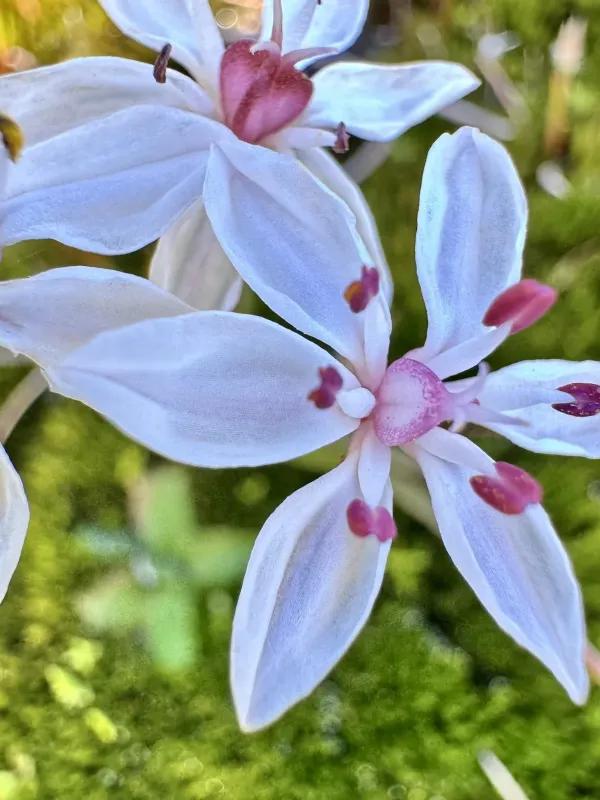
Description
Growing requirements
Burchardia multiflora is a perennial bulbous plant belonging to the Colchicaceae family. It is a species native to the southwestern region of Western Australia, where it is found in specific ecological niches.
The plant requires well-drained, sandy or gravelly soil to thrive. In professional cultivation, the substrate must be kept porous to prevent root asphyxiation, as the bulbs are highly susceptible to rot in wet, heavy conditions.
Regarding climate, this species demands high light intensity. It is perfectly adapted to Mediterranean-style climates, requiring full sun for the synthesis of nutrients and proper flower development during the spring season.
Agricultural practices for this culture are centered on the strict alternation of growth and dormancy phases. During the hot, dry summer months, the bulbs require a completely dry environment to mimic their natural habitat and prepare for the next cycle.
In terms of usage, it is strictly an ornamental crop. It is highly valued by botanists and collectors for its distinctive white inflorescences, which distinguish it from other members of the genus.
Main diseases and pests
The primary threats to Burchardia multiflora are fungal pathogens, specifically those causing basal rot and crown rot, which proliferate under damp, stagnant conditions.
Pests such as bulb mites represent a significant challenge, as they bore into the scales of the bulb, creating entry points for secondary bacterial infections.
Management of these threats includes the application of preventative fungicides during the planting phase and ensuring optimal air circulation around the plants.
Monitoring for signs of chlorosis or leaf curling is essential, as these are often the first indicators of underground pest activity or root decay.
Proper sanitation in the growing area, including the removal of dead leaf debris, helps to significantly reduce the pressure of pests and diseases throughout the growing season.