
Bulbocodium
Bulbocodium
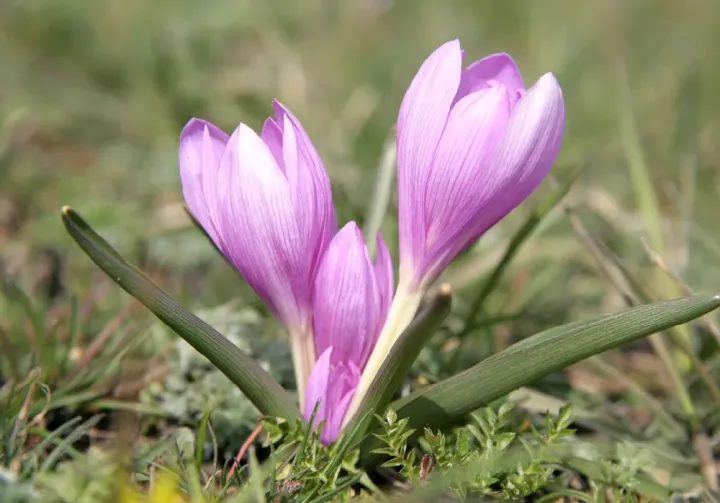
Description
Sowing dates
Bulbocodium corms should be planted in the late summer or early autumn to ensure they establish roots before the arrival of winter temperatures.
The ideal planting depth is approximately 10 centimeters, ensuring that the corms are placed in soil that has been well-loosened and prepared.
For gardeners using seeds, it is crucial to plant them immediately after harvesting, as the seeds lose their viability relatively quickly.
Spacing between individual plants should be maintained at about 12 to 15 centimeters to allow for natural spread and air circulation.
Once planted, a light layer of organic mulch can be applied to protect the site from temperature fluctuations during the first winter.
Growing requirements
Bulbocodium, belonging to the Colchicaceae family, is a spring-flowering ephemeral that thrives in temperate climate conditions.
This crop requires full sun exposure to initiate the flowering process and ensure the proper maturation of the corm for the following season.
Soil drainage is the most critical factor for success; the plant is highly sensitive to waterlogged conditions, which lead to bulb rot.
The preferred soil pH for this culture is neutral to slightly alkaline, enriched with well-rotted compost to provide necessary nutrients.
Adequate moisture is required during the spring growth phase, whereas a dry period during the summer dormancy is essential for survival.
Main diseases and pests
Gray mold (Botrytis) is a significant threat, especially during damp springs, causing brown spots on foliage and potentially spreading to the corms.
Slugs and snails are frequent pests that target the early emergent leaves, causing aesthetic damage and weakening the plant's vigor.
Root-knot nematodes and wireworms can attack the underground structures, leading to stunted growth or the eventual death of the plant.
Preventive measures include planting in raised beds or well-drained soil and ensuring that no debris accumulates around the base of the plant.
If fungal infection is detected, affected plants must be removed and the surrounding soil treated with appropriate fungicides to stop the spread.