
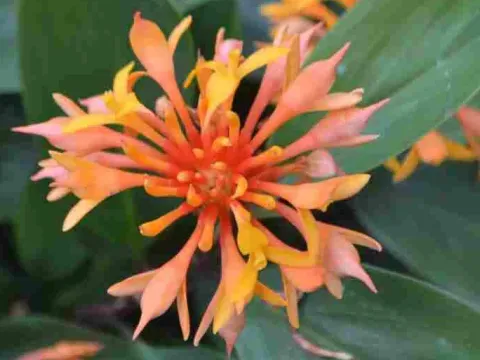
Burbidgea
Burbidgea
Burbidgea is a genus of perennial herbaceous plants belonging to the Zingiberaceae family. Native to the tropical forests of Borneo, these plants have evolved in shaded, humid environments, making them unique specimens for botanical gardens and specialized interior landscaping.
What the section contains


Burbidgea
The climate requirements for Burbidgea are strictly tropical, necessitating stable temperatures between 22°C and 28°C. They do not tolerate cold drafts or sudden fluctuations in temperature, which can cause significant stress to the foliage and root systems.
A well-draining, nutrient-rich, and slightly acidic substrate is essential for the healthy development of this culture. The soil must remain consistently moist, mimicking the natural humus-rich conditions of the rainforest floor, while avoiding any standing water.
Light management is crucial, as the plant thrives in bright, filtered light. Exposure to direct midday sun is harmful, as it can cause chlorophyll degradation and scorching of the leaf blades. In greenhouse settings, artificial shading is often required.
Economic and horticultural use focuses on its aesthetic value. Its complex, colorful inflorescences are prized by collectors and enthusiasts of exotic tropical plants, ensuring its place as a niche crop in high-end ornamental horticulture markets.
Burbidgea is susceptible to several fungal diseases, primarily root rot (Phytophthora and Fusarium species). These pathogens thrive in stagnant, soggy soil conditions, highlighting the importance of a professional drainage layer in containers.
Common pests include spider mites and mealybugs, which are particularly troublesome in indoor environments with dry air. These pests damage the vascular tissue of the leaves, reducing the plant's overall vigor and visual appeal significantly.
Effective prevention involves maintaining consistent humidity levels around the plant and ensuring adequate air circulation to prevent the formation of moist, stagnant microclimates where fungi typically flourish.
When infestation occurs, biological control methods or mild insecticidal soaps are preferred over heavy systemic chemicals. Regular monitoring of leaf undersides is recommended to detect and treat pest populations before they become unmanageable.
Ensuring the plant remains in a robust state through balanced fertilization and proper light exposure is the best defense against threats. Healthy, well-nourished plants show much higher resistance to minor infections and pest attacks compared to neglected specimens.