
Buchnera urticifolia
Buchnera urticifolia
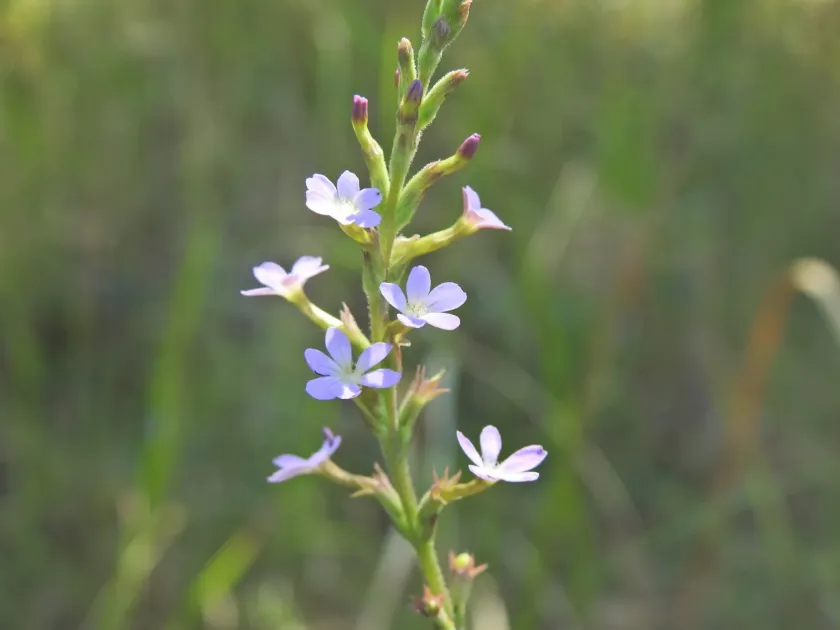
Description
Growing requirements
Buchnera urticifolia is a hemiparasitic plant belonging to the Orobanchaceae family. Unlike obligate parasites, this plant retains chlorophyll and performs photosynthesis, yet it relies on host root systems to supplement its water and mineral uptake via specialized structures called haustoria.
The botanical structure of the plant is distinguished by its urticoid foliage, which gives it its specific name. The plant requires a well-balanced ecological niche where the presence of suitable host species is critical for its long-term survival and healthy vegetative development.
From an agronomical perspective, this species thrives in sandy, well-draining soils with low organic matter accumulation. It is highly sensitive to waterlogging, which often disrupts the physiological balance between the parasite and its chosen host plant.
Climatic requirements involve exposure to high light intensity throughout the growing season. The plant has evolved in regions where seasonal changes provide clear distinctions between moisture availability, forcing the species to adapt its metabolism to fluctuating conditions.
Regarding management, control measures are usually directed at containing its spread in areas where it might negatively impact crop vigor through resource competition. Successful cultivation or study of this plant requires a deep understanding of its symbiotic and parasitic root interactions.