
Buchnera ternifolia
Buchnera ternifolia
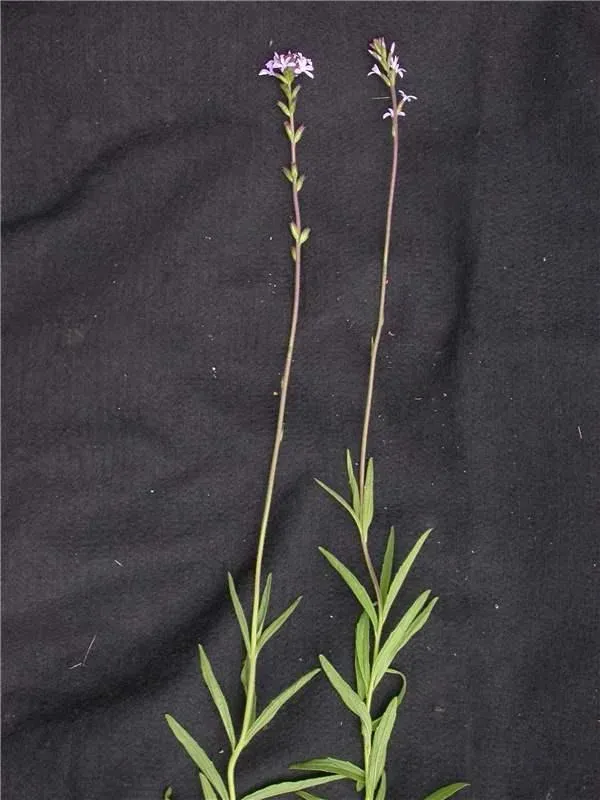
Description
Growing requirements
Buchnera ternifolia is a distinctive perennial herb belonging to the Orobanchaceae family. Known for its hemiparasitic lifestyle, the plant typically thrives by deriving nutrients from the roots of host species within its natural habitat, which spans across tropical and subtropical environments.
The native distribution of this species includes various regions in Africa and South America. It is commonly found in savannah ecosystems and open grasslands, where the vegetation structure allows for sufficient exposure to sunlight, which is a critical requirement for its successful photosynthesis.
Optimal climatic conditions for the cultivation of this species require temperatures ranging from 20 to 30 degrees Celsius. Consistent exposure to high light intensity is necessary to stimulate flowering and the production of seeds, making site selection a vital part of the agricultural process.
Regarding soil requirements, the species prefers well-drained, porous substrates. Soils with a slightly acidic to neutral pH are ideal, as they facilitate the necessary nutrient exchange and prevent the accumulation of moisture, which could prove detrimental to the root system.
The plant exhibits a unique morphology, with leaves arranged in whorls of three, contributing to its scientific nomenclature. Its flowering stalks typically emerge during periods of adequate water availability, creating dense inflorescences that serve as a source of nectar for local pollinators.
Main diseases and pests
The primary threat to the health of this crop is the development of fungal infections caused by waterlogging. When soil remains saturated for extended periods, roots become highly susceptible to decay, which is often difficult to reverse once the damage has reached a systemic level.
Insect pests, particularly spider mites and nematodes, pose a significant risk to the plant's structural integrity. These pests feed on vital sap and nutrients, leading to yellowing of the foliage and reduced overall vigor if they are not detected and managed promptly during the early growth stages.
Weed infestation is a persistent challenge during the initial development phase of Buchnera ternifolia. Given the relatively slow growth rate of the plant in its early stages, manual weeding is often required to ensure that the species can compete effectively for light and resources in the field.
Environmental fluctuations, such as sudden cold snaps or excessive humidity, can render the plants more vulnerable to pathogenic attacks. Maintaining a stable environment is key to ensuring that the crops remain resilient against common agricultural diseases found in these tropical zones.
Agricultural management should prioritize a preventative approach to disease control. Periodic inspection of the canopy and roots is essential, and any signs of infection should be addressed through targeted organic or chemical interventions to preserve the health of the entire crop population.