
Brachyscome hybrid
Brachyscome segmentosa x procumbens
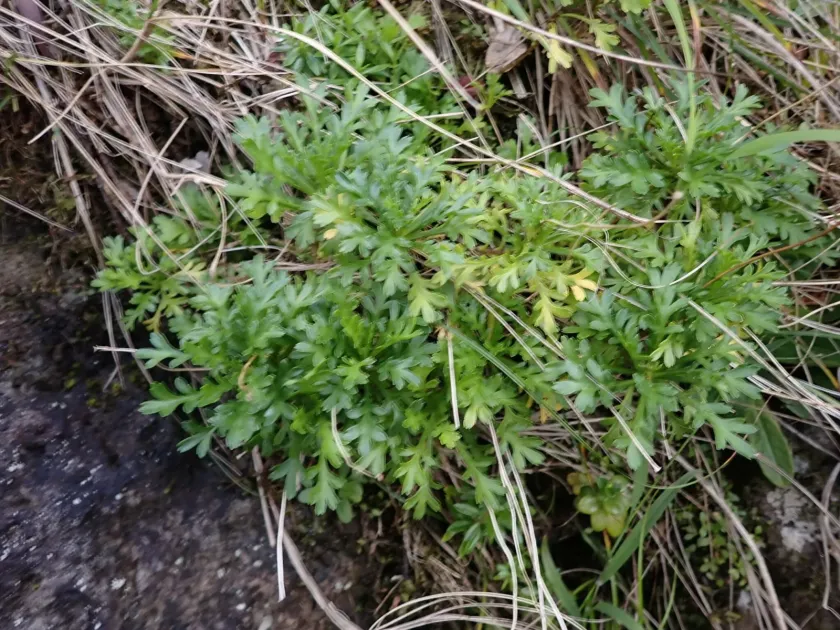
Description
Sowing dates
Sowing Brachyscome hybrid for transplants typically occurs in late winter or early spring. The seeds are extremely small, so they should be sown on the surface of the growing medium without being buried.
For successful germination, containers should be kept in a warm environment with a temperature of 20–22 degrees Celsius. Covering the tray with transparent film helps maintain the necessary moisture levels.
Seedlings usually emerge within 10 to 14 days. Once the first pair of true leaves appears, the seedlings are pricked out into individual pots to ensure sufficient space for root system development.
Hardening off is crucial before transplanting into the garden. Plants should be moved to permanent locations only after the danger of spring frost has completely passed.
To encourage a bushier habit, pinching the tips of the shoots when the plants are young is recommended. This simple technique significantly increases the density and flower count of the plant.
Growing requirements
Brachyscome hybrid is a member of the Asteraceae family. Originating from Australia, this species is valued for its delicate, daisy-like flowers and long blooming season, usually grown as an annual in most climates.
The plant requires a sunny position to produce its maximum number of blossoms. Shaded areas often result in leggy stems and poor flower production, which diminishes the ornamental value.
Soil requirements focus on excellent drainage. Sandy or light loamy soils are ideal, as the plant is highly susceptible to root rot caused by stagnant water or excessively compacted soil types.
Watering should be conducted with moderation. While the plant can handle short periods of drought, it should not be allowed to dry out completely, nor should the soil remain waterlogged for long periods.
Occasional fertilization with a balanced, low-nitrogen liquid fertilizer will maintain the plant's vigor throughout the summer. Excessive nitrogen will lead to vegetative growth at the expense of flowering.
Main diseases and pests
Root and stem rots are the most significant threats to Brachyscome hybrid, usually triggered by poor drainage or overwatering. Maintaining a proper watering regime is the best preventive measure.
Pests such as aphids and spider mites can infest the foliage, particularly in hot, dry weather. These pests suck the sap from the plant, causing wilting, yellowing of leaves, and potential flower drop.
Pest control includes the use of insecticidal soap or specialized systemic pesticides. Regular monitoring of the foliage is necessary to detect early signs of infestation before they spread.
To prevent fungal outbreaks, such as powdery mildew, gardeners should avoid overhead watering and ensure adequate spacing between plants to promote proper air circulation.
Maintaining a clean garden environment and removing any plant debris around the base of the stems reduces the risk of soil-borne pathogens and keeps the planting area healthy.