
Brachyscome segmentosa
Brachyscome segmentosa x curvicarpa
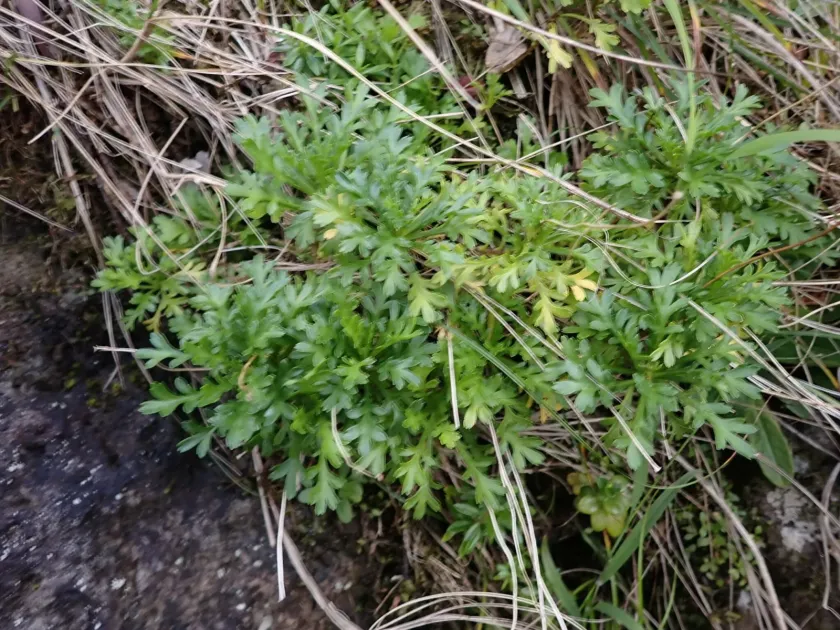
Description
Sowing dates
Sowing this crop in temperate climates is recommended using the seedling method. Brachyscome seeds are very small, so they should be sown superficially, pressing them slightly into the substrate without covering with soil.
The optimal time for starting sowing work is the second half of February or early March. This ensures that strong seedlings are ready by the time stable warm weather arrives.
For seed germination, a soil temperature of +18...+20 degrees Celsius is required. It is important to ensure stable soil moisture using a sprayer, avoiding the drying out of the top layer.
Seedling picking should be carried out after the appearance of the first pair of true leaves. During this period, it is important to monitor lighting, as a lack of light leads to elongated shoots.
Transplanting seedlings into open ground is carried out only after the threat of spring frosts has passed. Plants must undergo a stage of preliminary hardening outdoors.
Growing requirements
Brachyscome segmentosa belongs to the Asteraceae family and has high requirements for solar radiation. The crop prefers open, sunny areas protected from strong winds.
Soils for cultivation should be light, structural, and have excellent drainage. The plant reacts very negatively to moisture stagnation in the root system.
The soil reaction should be neutral or slightly acidic. The application of excessive nitrogen fertilizers is not recommended, as this stimulates green mass growth to the detriment of flowering.
The irrigation regime should be moderate. In dry periods, the plant needs regular moisture, but waterlogging of the soil provokes the development of fungal diseases.
Agrotechnics include periodic loosening of row spacings to ensure oxygen access to the roots. It is also useful to mulch to retain moisture and suppress weed vegetation.
Main diseases and pests
The main danger to the crop is root rot, which occurs when the irrigation regime is violated. Excessive humidity triggers the development of pathogenic fungi in the root collar zone.
Among pests, aphids and spider mites can cause the greatest damage. Upon detection of the first signs of infestation, systemic insecticides must be used.
Slugs and snails often damage young seedlings and the delicate leaves of adult plants. To protect plantings, it is recommended to use barrier methods or specialized molluscicides.
Disease prevention consists of maintaining spacing during planting to ensure plant ventilation. Dense plantings become an ideal environment for the development of mold.
Regular inspection of plants allows for the timely detection of damage sites and minimizes the use of chemical protective agents during the peak flowering period.