
Brachyscome segmentosa
Brachyscome segmentosa
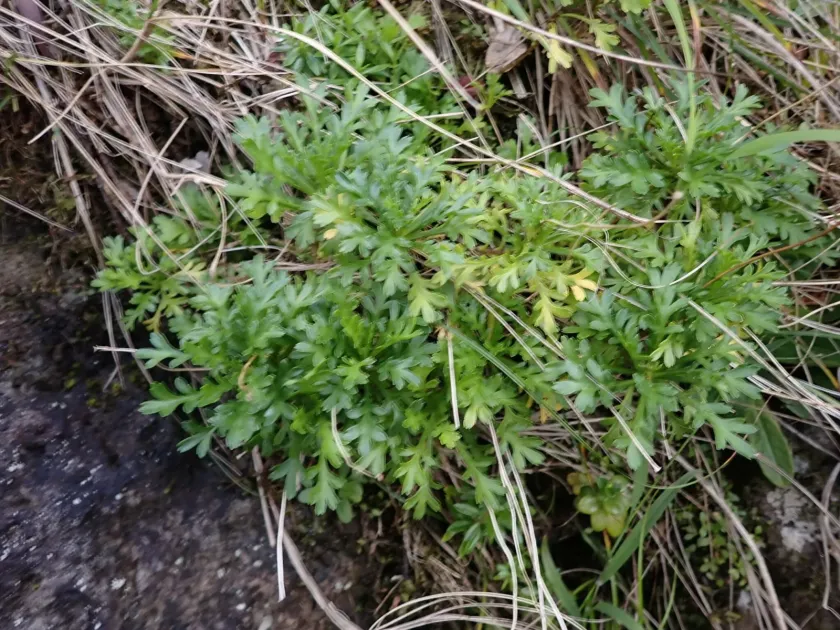
Description
Sowing dates
Brachyscome segmentosa is an attractive ornamental species belonging to the Asteraceae family. Known for its delicate foliage and abundant flowering, it is a popular choice for gardeners and landscapers who value both aesthetics and plant resilience.
Propagation is typically achieved through seeds, which are sown indoors during the early spring months. Due to the small size of the seeds, they are surface-sown on moist, well-draining soil and should not be deeply covered, as they require light to germinate effectively.
Temperature control is vital during the germination phase, with an ideal range between 20 and 22 degrees Celsius. Maintaining consistent humidity without allowing the substrate to become waterlogged is critical for the healthy development of seedlings.
Transplanting into the garden takes place after the danger of frost has passed. Plants should be hardened off for at least a week before being moved outside to allow them to acclimatize to environmental fluctuations and UV light exposure.
For optimal results, plants should be spaced approximately 20 to 25 centimeters apart. This spacing ensures adequate airflow, which is a major factor in preventing the development of moisture-related diseases later in the season.
Growing requirements
This species thrives in locations with full sun exposure. While it can tolerate light partial shade in extremely hot climates, consistent sunlight is necessary to maintain the plant's compact growth habit and maximize its flowering potential.
Well-draining, slightly acidic to neutral soil is preferred for the best growth performance. Heavy, compact soils that retain moisture should be amended with organic matter or grit to improve aeration and root development.
Irrigation should be regular but cautious. The plant performs best when the soil is allowed to dry slightly between waterings, as permanent moisture can lead to root system decay. Drip irrigation is an efficient method to supply water directly to the base of the plant.
Balanced liquid fertilizers are recommended throughout the active growing season. Applying a low-nitrogen, high-phosphorus formulation once every two weeks encourages sustained bloom production rather than excessive vegetative growth.
Occasional deadheading is highly encouraged. By removing spent blossoms, the gardener directs the plant's energy toward forming new flower buds, effectively extending the decorative season well into the autumn months.
Main diseases and pests
Root rot remains the most significant threat to Brachyscome segmentosa, particularly in areas with high rainfall or poor drainage. Improving the soil structure is the most effective preventative measure against such issues.
Pests such as aphids can cause damage by feeding on young stems and buds. Regular monitoring and the application of insecticidal soaps or systemic treatments help to maintain the plant's health and prevent significant infestations.
Slugs and snails can also pose a challenge, especially during damp spring weather. Using physical barriers or bait can help protect the vulnerable seedlings until they are large enough to withstand minimal feeding damage.
Powdery mildew may occur if plants are overcrowded or if the local climate becomes humid without adequate wind movement. Fungicide application or improving plant spacing are the primary strategies to mitigate these fungal infections.
Integrated Pest Management (IPM) practices, such as encouraging beneficial insects and removing debris around the base of the plants, provide a sustainable approach to maintaining a healthy and thriving display of this beautiful species.