
Brachyscome hybrid
Brachyscome rigidula x multifida
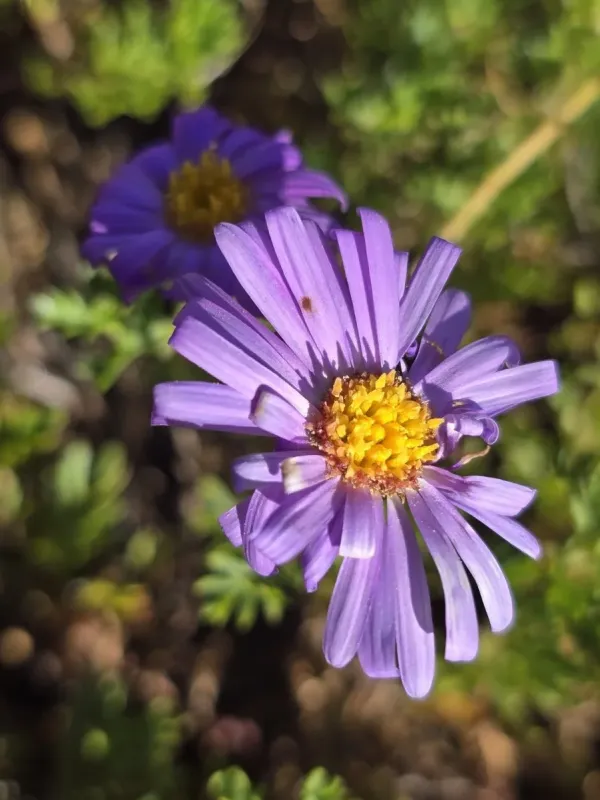
Description
Sowing dates
Sowing Brachyscome hybrid seeds for seedlings is typically carried out in late winter or early spring. Given their tiny size, seeds should be surface-sown onto a moist, well-draining substrate and pressed down gently without covering them with soil.
For optimal germination, keep the containers in a warm location with temperatures between 20–22 degrees Celsius. Covering the pots with a plastic lid or film creates the necessary humidity, but it is important to provide ventilation to prevent damp-off.
Once seedlings emerge, usually within 10 to 14 days, move them to a cooler environment with temperatures around 16–18 degrees Celsius. This prevents the seedlings from becoming leggy and promotes the development of strong, sturdy stems.
Pricking out the seedlings into individual containers is done once the first two true leaves have developed. This process encourages the development of a healthy root system, which is crucial for the future vigor of the plants.
Hardening off the seedlings is essential before transplanting them into the garden. Gradually expose the plants to outdoor conditions over a week to ensure they can withstand the full sun and cooler night temperatures after the risk of frost passes.
Growing requirements
Brachyscome hybrid belongs to the Asteraceae family and is native to Australia. As a sun-loving plant, it thrives in locations that receive full sunlight for most of the day, which is necessary to achieve dense, compact growth and prolific flowering.
The ideal soil for this crop is light, porous, and well-drained with a neutral pH level. It does not tolerate waterlogged conditions, so adding sand or grit to the soil mix is recommended if the local soil is heavy or tends to retain too much moisture.
While the plant shows good tolerance to short dry spells, regular and balanced watering is necessary to maintain consistent blooming. It is better to water at the base of the plant to keep the foliage dry and reduce the risk of fungal infections.
Feeding the plants with a balanced, water-soluble fertilizer every two weeks during the growing season will support continuous flower production. Avoid excessive nitrogen, as it promotes lush foliage at the expense of floral development.
These plants are highly versatile and work well in borders, rock gardens, and hanging baskets. Providing adequate space between individual plants ensures good airflow, which is critical for preventing humidity-related diseases.
Main diseases and pests
The primary concern for Brachyscome hybrid is root rot caused by overwatering or poor soil drainage. Keeping the soil consistently moist but never soggy is the best way to prevent the collapse of the root system and plant decay.
Pests such as aphids and whiteflies can infest the plants, particularly in hot and stagnant conditions. These insects feed on sap and can weaken the plant, leading to stunted growth and a significant reduction in the number of flowers produced.
Effective management of these pests involves using horticultural soaps or systemic insecticides. Regular inspection of the underside of the leaves is crucial, as this is where pests often cluster before causing visible damage to the entire plant.
Removing spent blooms is a standard practice for maintaining the plant’s health and aesthetic appeal. This deadheading process redirects energy from seed production back into the development of new buds and fresh vegetative growth.
If fungal spots appear, promptly remove the affected plant parts and consider applying a fungicide suited for ornamentals. Maintaining good hygiene in the planting area by clearing away debris and weeds will significantly reduce the pressure from pathogens.