
Brachyscome rigidula
Brachyscome rigidula
Description
Sowing dates
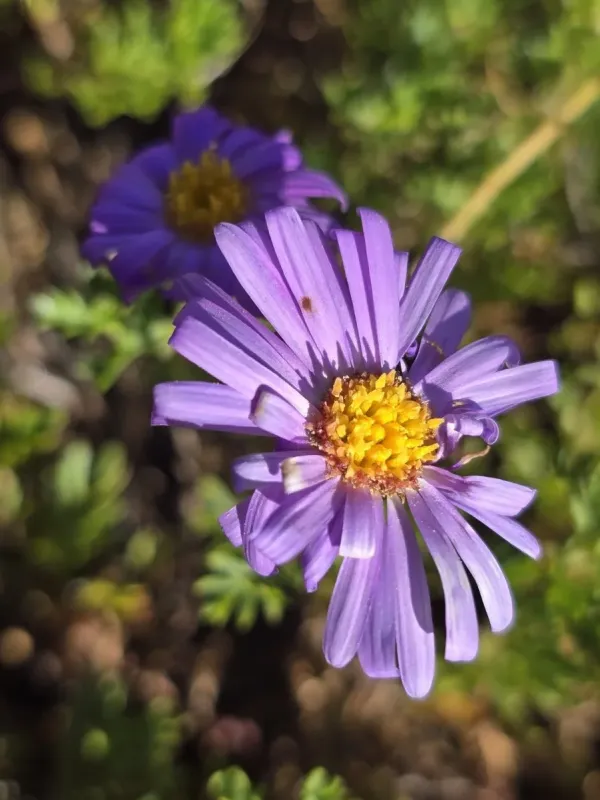
Brachyscome rigidula is a member of the Asteraceae family, originating from Australia. This ornamental species is appreciated by gardeners for its delicate, daisy-like flowers and compact growth habit, making it suitable for various garden settings.
The sowing process begins in late winter or early spring, typically indoors. Seeds are very small and should be scattered over the surface of moist seed-starting mix, then covered only lightly with a thin layer of fine vermiculite or soil.
Germination requires consistent moisture and a temperature range of 18–22 degrees Celsius. Using a clear plastic dome or glass cover can help maintain the necessary humidity levels during the initial stages of seedling development.
Once the threat of frost has completely passed, the hardened-off seedlings can be transplanted into their permanent outdoor locations. It is crucial to choose a spot that receives full sun to ensure the plants establish themselves properly.
Spacing is essential for the health of the plants. A distance of approximately 20 to 25 centimeters between specimens promotes healthy air circulation, which is vital for preventing moisture-related issues within the plant canopy.
Growing requirements
Full sun is the primary requirement for Brachyscome rigidula to thrive and produce a prolific display of blossoms. While the plant can tolerate partial shade, its flowering capacity will be significantly reduced in low-light conditions.
The soil should be light, well-draining, and relatively fertile. Heavy or compacted soils are unsuitable as they trap excess water, which leads to root suffocation and eventual death of the plants during the growing season.
Watering management is key to successful cultivation. The soil should be kept consistently moist but never waterlogged. During periods of intense heat, more frequent watering might be necessary, provided the drainage is adequate.
Moderate temperatures are ideal for this crop. While it is adapted to warm environments, it benefits from good air movement and occasional protection from extreme midday sun in very hot climates to prevent wilting.
Regular fertilization with a balanced liquid fertilizer, applied every few weeks, encourages continuous blooming. Avoiding high-nitrogen fertilizers is recommended to ensure that energy is directed towards flower production rather than excessive foliage growth.
Main diseases and pests
Root rot is the most significant threat to this species, typically caused by poor soil drainage or overwatering. Infected plants exhibit wilting and leaf yellowing, even when the soil appears damp, signaling that roots are unable to function.
Aphids are common pests that target the tender tips of the plants and developing flower buds. These insects weaken the plant by extracting plant sap and can serve as vectors for various diseases if an infestation remains unchecked.
Spider mites represent another challenge, particularly during hot and dry weather conditions. These tiny pests create fine webs and cause stippling on the foliage, which can eventually lead to the loss of plant vigor and leaf drop.
Integrated pest management, including the use of neem oil or targeted insecticidal soaps, is effective for controlling minor infestations. Regular monitoring of the foliage, especially the undersides of leaves, helps in early detection.
Maintaining garden hygiene is essential for disease prevention. Clearing away debris and weeds around the plants prevents the buildup of pathogen spores and creates a healthier environment that limits the spread of fungal issues.