
Cut-leaf daisy
Brachyscome multifida x curvicarpa
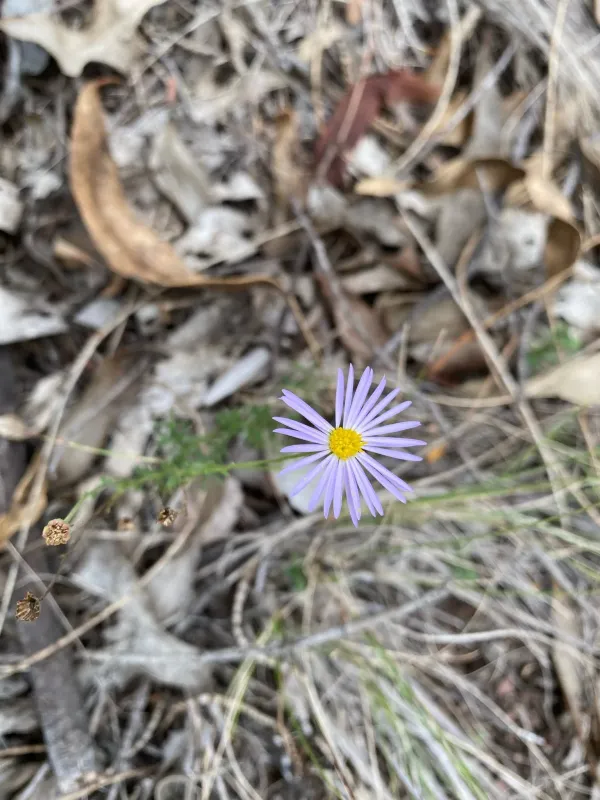
Description
Sowing dates
Brachyscome multifida seeds should be sown indoors in early spring, approximately 6 to 8 weeks before the last expected frost date. Use a fine, well-draining seed-starting mix to ensure successful germination in a controlled environment.
Distribute seeds thinly across the soil surface, as they require light to germinate effectively. Covering them is unnecessary; simply pressing them lightly into the surface is sufficient. Place the container in a warm, well-lit spot to promote growth.
Maintain consistent moisture levels during the germination phase by using a spray bottle. Once the seedlings appear, provide ample light to prevent legginess. A sunny windowsill or a dedicated growth lamp is recommended for optimal seedling development.
Prick out the seedlings once they develop their first set of true leaves. Carefully transplant them into small individual pots to avoid damaging their delicate root systems, which is crucial for establishing robust plants before they are moved outdoors.
Harden off the plants gradually before final transplanting into garden beds or containers. This process involves exposing them to outdoor conditions over a week, ensuring they are fully adapted to sun and wind before they are permanently positioned.
Growing requirements
The cut-leaf daisy, belonging to the Asteraceae family, is a native of Australia, where it thrives in rocky or sandy soils. It is widely appreciated in landscaping for its prolific blooming habit and ability to form dense, attractive mounds of foliage.
The plant requires full sun to partial shade exposure. In hot climates, light afternoon shade can help extend the blooming season. The soil must be exceptionally well-draining; heavy clays that retain water will almost certainly cause root rot in this species.
Botanically, it features finely divided, feathery leaves that provide a soft texture. The flowers are daisy-like and appear in shades of blue, mauve, purple, and white, blooming continuously throughout the growing season if deadheading is managed correctly.
Agrotechnical management includes regular watering during dry spells, though the plant is relatively drought-tolerant once established. Applying a balanced liquid fertilizer every few weeks promotes vigorous blooming and maintains the plant's structural integrity.
Pruning is an essential maintenance task. By cutting back the foliage by about one-third after a heavy flush of flowers, gardeners can encourage a second, equally impressive blooming period, ensuring the plant remains attractive until the onset of cooler weather.
Main diseases and pests
Root rot caused by poor soil drainage and overwatering is the primary threat to Brachyscome multifida. Symptoms include wilting and yellowing of the foliage, even when the soil appears moist, which indicates that the root system has failed.
Pests such as aphids and spider mites can infest the plant, particularly in sheltered or dry conditions. These insects target the new growth and flower buds, potentially stunting development if the infestation is not controlled promptly with appropriate treatments.
Snails and slugs are common pests that feed on young, succulent foliage, especially in moist garden settings. Barriers or organic molluscicides may be necessary to protect the plant from significant foliage loss during the early establishment phase.
Good air circulation is vital for preventing fungal issues like powdery mildew, which can develop in overcrowded plantings. Spacing plants adequately and avoiding overhead watering are effective preventive measures for maintaining plant health.
Monitoring for signs of distress is key to effective disease management. If fungal spots or pests are detected, targeted applications of systemic insecticides or fungicides should be applied according to label directions to preserve the plant's ornamental value.