
Brachylaena rotundata
Brachylaena rotundata
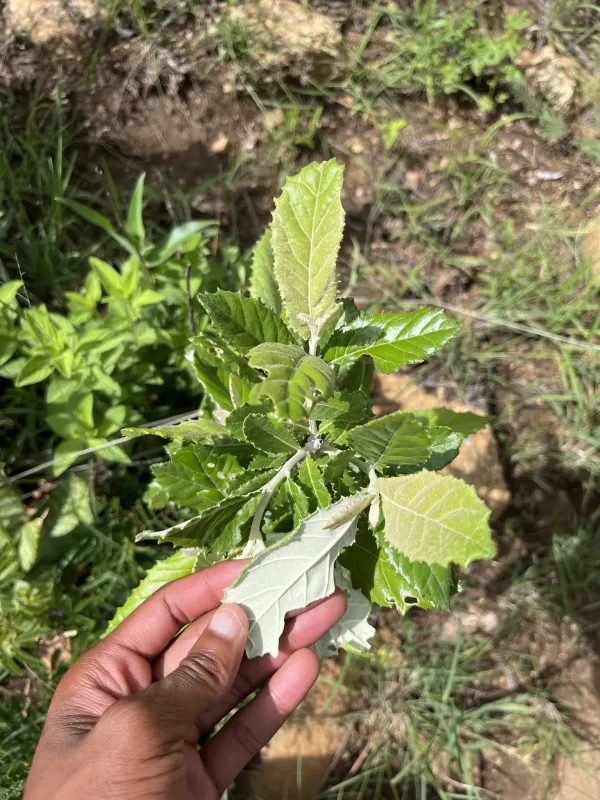
Description
Growing requirements
Brachylaena rotundata is an evergreen tree or shrub belonging to the Asteraceae family. This species is native to southern Africa, where it thrives in diverse ecological niches ranging from rocky slopes to wooded savanna environments.
The crop demonstrates significant adaptability to various soil types, although it performs best in well-drained substrates. Its inherent drought tolerance makes it a highly viable species for cultivation in arid regions where water management is crucial for survival.
In its natural habitat, the tree requires adequate solar exposure to ensure proper canopy development. The optimal temperature range for vigorous growth is within a temperate climate zone, though young seedlings require protection from severe frosts during their early stages.
Cultivation practices involve careful spacing management, as the tree exhibits a spreading growth habit that necessitates sufficient room for healthy vertical development. Providing minimal maintenance during the establishment phase is essential for long-term productivity.
The primary economic value of Brachylaena rotundata lies in its timber, which is renowned for its exceptional durability and hardness. It is widely utilized in professional woodworking, general construction, and as a structural ornamental tree in botanical and private gardens.
Main diseases and pests
Key threats to this plant include bark-boring insects and fungal diseases that can occur if the root system is subjected to waterlogging. In the wild, populations are occasionally impacted by large herbivores that graze on the tender juvenile foliage and twigs.