
Brachylaena elliptica
Brachylaena elliptica
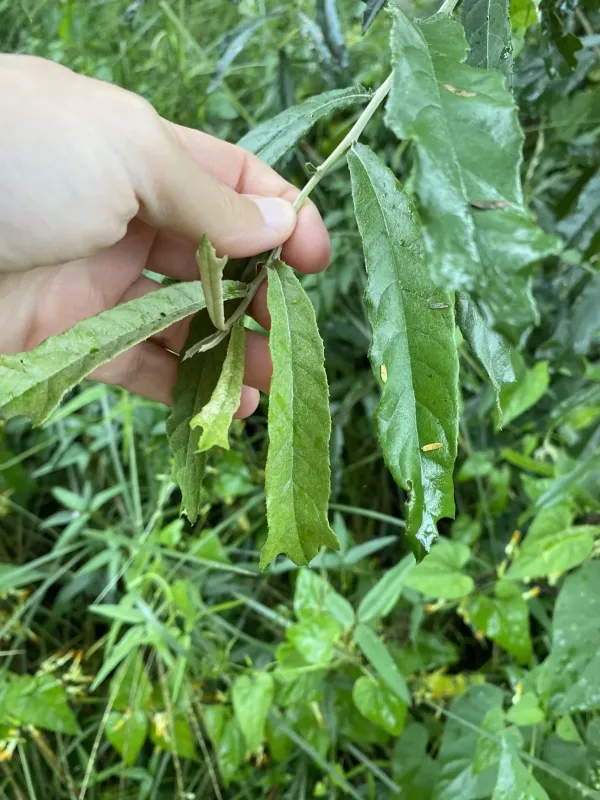
Description
Growing requirements
Brachylaena elliptica belongs to the Asteraceae family. It is an evergreen tree or large shrub that plays a significant ecological role in its native African habitats.
The plant originates from the coastal regions of Southern and Eastern Africa, thriving in subtropical environments with adequate precipitation and moderate temperatures.
Cultivation requires full sun exposure for optimal canopy development. It adapts well to various soil types but prefers deep, fertile, and well-drained soil profiles.
Water requirements are moderate. While established plants show tolerance to dry spells, consistent soil moisture is preferred for vigorous growth during the juvenile stage.
The species is sensitive to severe frost. In areas with cold winters, it must be protected or grown in controlled environments to avoid irreversible tissue damage.
Yield
The primary economic value of Brachylaena elliptica is its highly durable timber. The wood is notably resistant to decay and termite attacks, making it ideal for construction.
In traditional practices, specific extracts from the tree are utilized for medicinal purposes. Research continues into the pharmacological properties of its leaves and bark.
It is extensively used in landscape design and reforestation projects. The species provides excellent screening and serves as a windbreak in coastal plantations.
The plant serves as a vital component in soil stabilization efforts. Its robust root architecture effectively prevents topsoil erosion on sloped terrains.
Biomass production from the tree is also notable, as the wood is recognized for its high caloric value when used as organic fuel in rural settings.
Main diseases and pests
Wood-boring insects represent a major threat to the plant, specifically targeting trees that are under physiological stress or have suffered mechanical damage.
Fungal pathogens associated with root systems typically emerge under waterlogged conditions. Proper irrigation management is critical to preventing these infections.
Foliar pests, such as aphids and spider mites, can impact young plantations during periods of rapid growth, requiring vigilant monitoring and integrated pest management.
Poor air circulation within the canopy, often caused by improper planting density, can facilitate the spread of mildew and other surface-borne fungal diseases.
Regular pruning and the removal of dead or dying branches are essential maintenance practices to prevent the accumulation of pests and maintain overall tree health.