
Brachylaena ramiflora
Brachylaena ramiflora
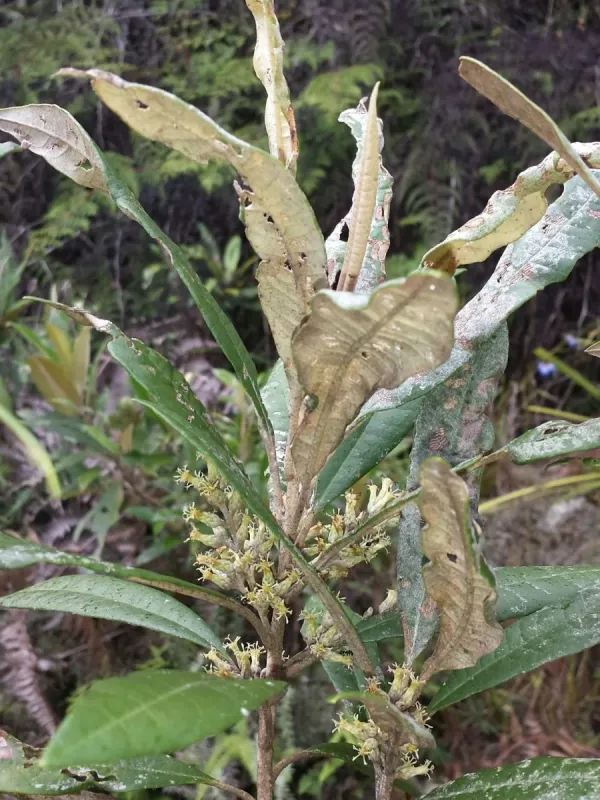
Description
Growing requirements
Brachylaena ramiflora is a woody plant belonging to the Asteraceae family, native to the island of Madagascar. This species is primarily found in humid forest environments and mountain slopes, showcasing a specific evolutionary adaptation to tropical ecosystems.
The plant requires a stable tropical climate characterized by high humidity and consistent temperatures throughout the year. It performs best in well-drained, nutrient-rich soils that mimic the natural organic-rich conditions of its native forest floor habitat.
Botanically, it is classified as an evergreen tree or large shrub with a robust structure and leathery leaves. These leaves act as a mechanism to retain moisture, allowing the plant to survive in diverse microclimates within its natural range.
Cultivation requires significant attention to soil composition and moisture management. Providing adequate irrigation is essential, especially during the early stages of establishment, while ensuring that the root system has sufficient drainage to prevent stagnation.
Economically, Brachylaena ramiflora is appreciated for its wood, which is known for its durability. Furthermore, the plant is of interest for its potential applications in traditional medicine and ecological landscape restoration projects in its home range.
Main diseases and pests
Deforestation and loss of habitat are the primary threats to wild populations of Brachylaena ramiflora. The reduction of suitable areas for growth makes the conservation of this species a priority for botanical and forest management agencies.
In managed cultivation or nursery settings, common pests such as aphids, scale insects, and spider mites can cause significant damage. These pests tend to target younger, more vulnerable foliage if left unmonitored for extended periods.
Fungal pathogens, particularly root rot, are a major concern when soil moisture is poorly managed. High humidity combined with lack of airflow can trigger outbreaks of fungal infections that affect the overall vigor of the plant.
Integrated pest management (IPM) practices should be implemented to mitigate these risks. This includes the regular inspection of leaves and stems, as well as the application of selective bio-pesticides when infestation levels exceed economic thresholds.
To ensure long-term health, growers should maintain adequate spacing between trees to improve air circulation. Healthy plants are generally more resilient to environmental stressors and the impact of localized outbreaks of pests and diseases.