
Brachylaena huillensis
Brachylaena huillensis
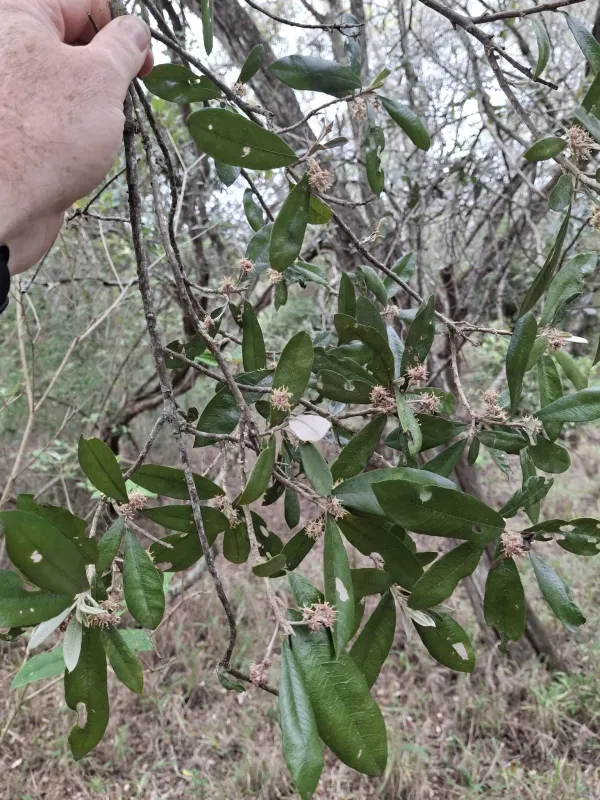
Description
Growing requirements
Brachylaena huillensis is an evergreen tree species belonging to the Asteraceae family, native to the dry woodlands of Eastern and Southern Africa. It is widely recognized for its ecological importance and its high-quality heartwood, which is prized for its durability.
The crop thrives in well-drained soils, ideally ranging from sandy loams to volcanic substrates that allow for deep root penetration. It is sensitive to waterlogging, so ensuring adequate soil drainage is a prerequisite for a healthy plantation.
This tree is exceptionally drought-tolerant once established, making it suitable for semi-arid environments where water availability is inconsistent. It requires full sunlight to maintain its structural integrity and optimize the production of aromatic secondary metabolites.
Management practices include careful weed control during the establishment phase, as young saplings are prone to competition from faster-growing grasses. Maintaining proper spacing between trees helps reduce competition for nutrients and ensures uniform growth.
The physiological nature of the tree is slow-growing, which is compensated by the high value of its final timber products. Agronomists must prioritize long-term soil fertility management to support the tree’s nutritional needs throughout its extensive life cycle.
Harvesting
The primary economic output of Brachylaena huillensis is its dense, decay-resistant wood. It is commonly utilized in high-end carpentry, flooring, and luxury furniture manufacturing, where its resistance to insect damage makes it a preferred choice.
Beyond the timber, the leaves and twigs are sources of valuable essential oils used in the perfume industry. This dual-purpose utility provides farmers with potential supplementary income streams while the trees mature for timber harvest.
Harvesting is typically done through sustainable selective thinning or final harvesting of mature specimens that have reached the required density. Sustainable management ensures that the harvest does not deplete the local ecosystem or genetic diversity.
Post-harvest handling is critical; the timber must be air-dried or kiln-dried under controlled conditions to prevent warping and splitting. Following these drying protocols ensures the product meets high international market standards.
Future agricultural advancements may involve selecting faster-growing phenotypes to enhance profitability. Ongoing research into the chemical composition of its oils also promises to expand its footprint in the botanical extract market.