
Brachiaria umbellata
Brachiaria umbellata
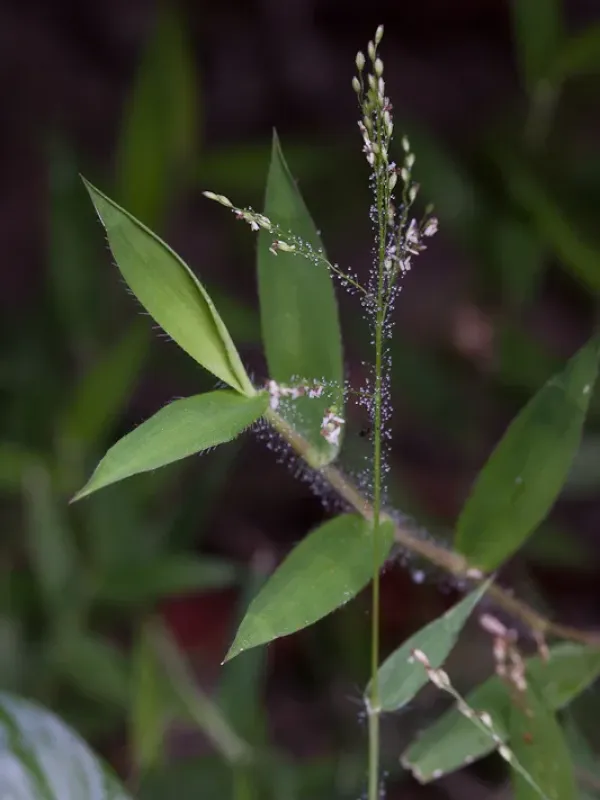
Description
Sowing dates
Brachiaria umbellata is a perennial grass species belonging to the Poaceae family. It is recognized primarily for its adaptability as a forage crop in tropical and subtropical environments.
The sowing process is typically initiated at the beginning of the rainy season. Warm soil temperatures are critical for successful germination and early seedling establishment.
The seedbed should be finely prepared, as the seeds are small and require close contact with the soil. Sowing depth should remain shallow, ideally between 1 and 2 centimeters, to ensure efficient emergence.
In many regions, mechanized planting is preferred to ensure uniform distribution, although broadcasting followed by light harrowing is also a viable method on smaller holdings.
Initial growth can be slow, making the selection of a clean field free from aggressive weeds essential for the long-term success of the pasture stand.
Growing requirements
This grass species is highly sensitive to frost and requires a warm climate to maintain growth. It thrives best in regions where temperatures remain high throughout the year.
It displays remarkable versatility regarding soil types, performing well in various textures ranging from sandy soils to heavier loams, provided there is adequate drainage.
While Brachiaria umbellata can tolerate short periods of waterlogging, it performs best on well-drained sites where the soil moisture is consistent but not stagnant.
Soil fertility, particularly nitrogen availability, significantly impacts the biomass production. Strategic fertilization helps in maintaining high productivity over several seasons.
Sunlight exposure is a major driver of photosynthesis; therefore, the crop should be grown in open, unshaded areas to reach its maximum yield potential.
Yield
Brachiaria umbellata is primarily valued for its grazing capacity and its ability to regenerate rapidly after being grazed or cut for hay production.
The yield of green matter is highly dependent on rainfall distribution and soil nutrient status. Under optimal conditions, it provides a reliable source of feed for ruminants.
Nutritional value is greatest during the early vegetative stage. Grazing management should aim to utilize the forage when it is at its most palatable and nutrient-dense state.
The grass forms a dense root system that serves to protect the soil from erosion. This makes it a preferred choice for sloping lands that are prone to runoff.
Rotational grazing systems are recommended to allow the grass to recover its energy reserves between grazing periods, thus extending the life and productivity of the pasture.
Main diseases and pests
Spittlebugs are considered the most significant pests for this species. They feed on the xylem sap of the plant, which often results in severe chlorosis and stunted growth.
Fungal diseases, including leaf spot pathogens, are frequently observed during periods of high humidity. These diseases can reduce the photosynthetic area of the leaves.
Weed competition poses a substantial threat during the establishment phase. If the grass is outcompeted by weeds early on, the overall pasture quality will suffer long-term.
Overgrazing is a major management threat that can lead to soil compaction and the destruction of the plant's basal structure, eventually causing the stand to collapse.
Proactive management, including scouting and the use of resistant varieties where available, is the best strategy to mitigate the damage caused by localized pests and diseases.