
Brachiaria adspersa
Brachiaria adspersa
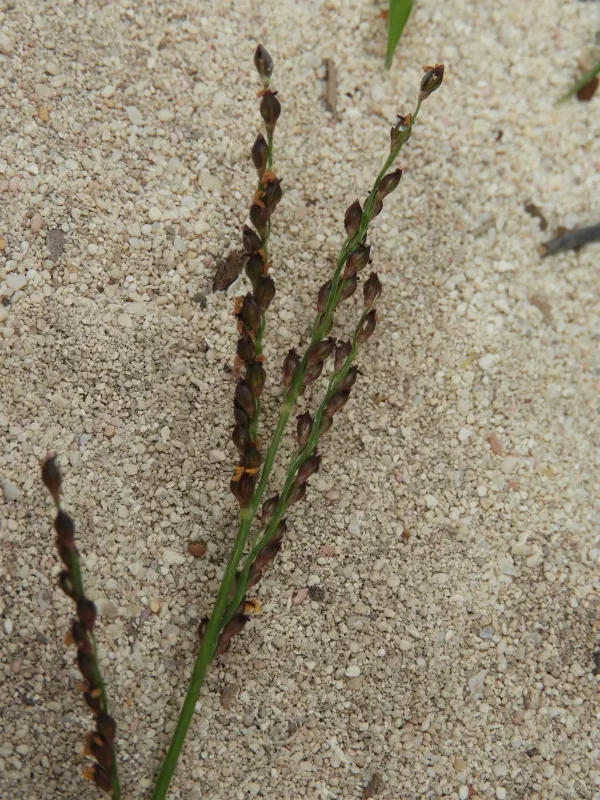
Description
Growing requirements
Brachiaria adspersa is a perennial herbaceous plant belonging to the Poaceae family. This species is primarily distributed throughout the tropical and subtropical regions of the Americas, thriving in well-lit environments.
The crop shows high adaptability to various soil types, including nutrient-poor and acidic substrates, which makes it suitable for utilizing marginal land. However, for maximum biomass production, it requires sufficient moisture during its active growth phase.
Optimal temperatures for development range from +20°C to +30°C. The plant does not tolerate frost well, thus its cultivation area is restricted to regions with mild winters or no sub-zero temperatures.
Its rhizome system provides resilience against temporary dry spells. Agronomically, ensuring proper drainage is crucial, as waterlogging can negatively impact the development of the root system.
The plant possesses a strong ability to tiller, forming a dense sod that effectively prevents soil erosion and suppresses the growth of weeds in pastures.
Yield
The primary agricultural use of Brachiaria is for establishing pastures for cattle grazing. The high nutritional value of its green mass makes it a valuable feed source for livestock.
The yield of green biomass depends directly on nitrogen fertilization levels and the moisture regime. Under rotational grazing, the culture recovers quickly due to its vigorous regrowth potential.
When used for hay production, dry matter yields can be substantial provided that harvesting occurs before the stems become overly lignified.
The economic value also includes using the crop for the reclamation of degraded lands, where rapid restoration of vegetation cover is necessary.
Regular mineral fertilization promotes an increase in leaf protein content, which significantly enhances the productivity of livestock operations utilizing this species.
Main diseases and pests
Typical diseases for this species include fungal infections, such as rust and leaf spot, which become active under conditions of high air humidity.
Pests affecting Brachiaria adspersa include various phytophagous insects, particularly spittlebug larvae (froghoppers), which can significantly reduce the biomass of the stand.
To manage diseases, it is recommended to follow grazing schedules that prevent soil compaction and the creation of microclimates favorable for pathogen reproduction.
Biological control and the use of resistant varieties remain the most effective protection methods on large pasture areas.
Controlling pest populations early in the growing season is essential to prevent widespread crop damage and ensure the maintenance of forage quality.