
Brachiaria ciliatissima
Brachiaria ciliatissima
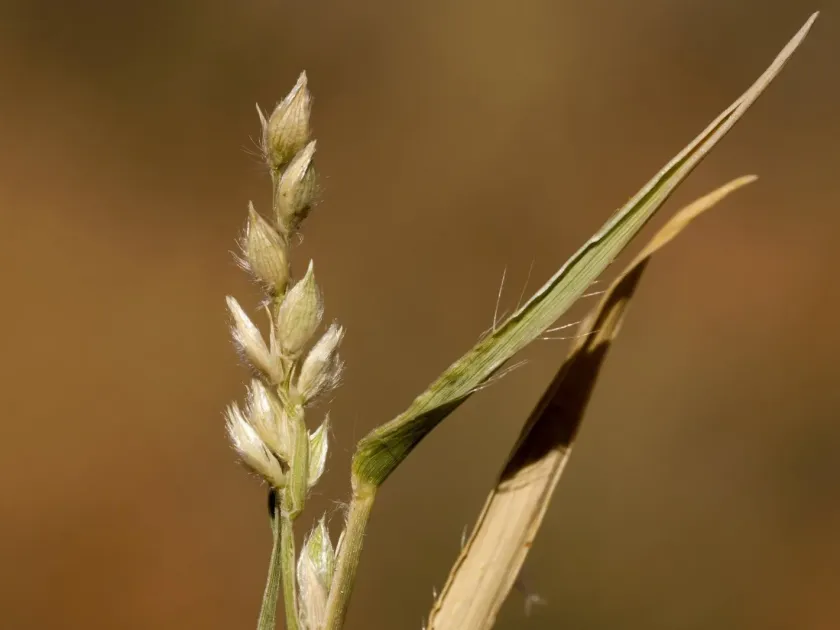
Description
Growing requirements
Brachiaria ciliatissima is a perennial grass species belonging to the Poaceae family. Recognized for its robustness, it serves as an excellent forage crop in various warm-climate agricultural systems.
The plant originates from regions with arid to semi-arid conditions. Its native range highlights its evolutionary adaptation to limited water availability, making it a drought-tolerant candidate for forage production.
Soil requirements for this species include well-drained, sandy or light-textured soils. It thrives in environments where other crops might struggle, thanks to its deep and efficient root system.
Climate conditions are critical; the grass requires high sunlight levels and heat to achieve maximum growth potential. It is highly sensitive to cold and prefers frost-free environments to maintain continuous growth.
Its primary agricultural use is for grazing and hay production. Due to its palatability and nutritional value, livestock producers favor it for maintaining year-round cattle nutrition.
Main diseases and pests
Fungal diseases remain the most significant threat to the health of the stands, particularly under conditions of high humidity or poor soil drainage. Leaf rusts can significantly diminish the quality and quantity of the forage.
Insect pests, including aphids and stem borers, can impact the crop during the active growing phase. Early identification is crucial to prevent infestations from spreading throughout the field.
Weed management is a significant challenge during the initial establishment of the crop. Because it takes time for the grass to establish a thick cover, early mechanical or chemical weed control is vital.
Overgrazing poses a structural threat to the longevity of the pasture. If the grass is grazed too short, its ability to recover quickly is impaired, potentially leading to stand thinning.
Integrated pest management strategies are recommended to keep the crop healthy. Regular field scouting and maintaining proper soil nutrient levels help ensure the grass remains resilient against common threats.