
Brachiaria bemarivensis
Brachiaria bemarivensis
Description
Growing requirements
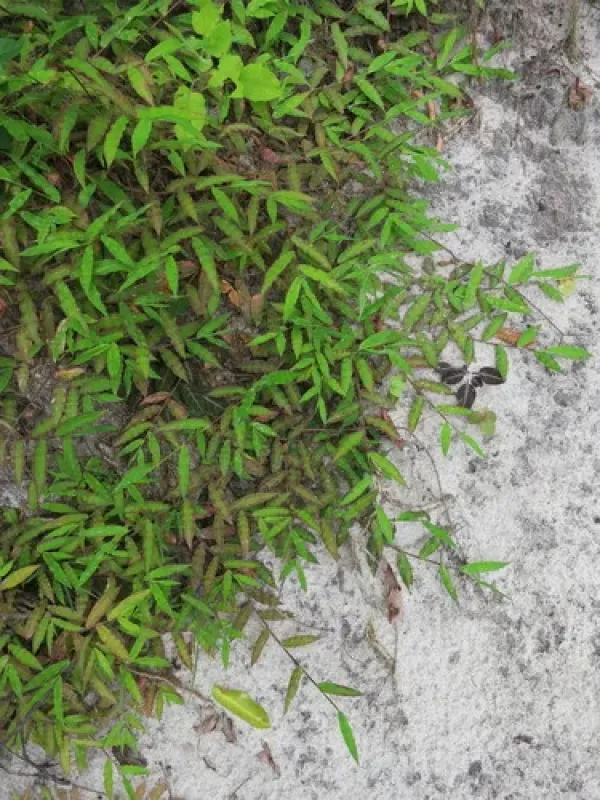
Brachiaria bemarivensis is a perennial grass species belonging to the family Poaceae, widely recognized for its potential in tropical forage production systems.
The native habitat of this species is primarily located in Madagascar, where it thrives in specific ecological zones ranging from forest margins to open grasslands.
For successful cultivation, the plant requires well-drained soil profiles and is generally intolerant to prolonged waterlogging or anaerobic soil conditions.
The climate requirements include stable tropical temperatures and adequate annual precipitation, as the plant shows sensitivity to extended periods of extreme aridity.
Adequate sunlight is essential for the development of vegetative biomass, although the species can display a degree of shade tolerance in its natural environment.
Harvesting
The primary agricultural application of Brachiaria bemarivensis is the establishment of improved pastures to support intensive livestock grazing operations.
It provides high-quality forage that is palatable to livestock, making it a viable alternative to more common tropical pasture grasses in certain regions.
Harvesting for fodder or silage should be timed precisely to capture the nutritional peak before the plant matures and lignifies, which reduces feed quality.
Managed grazing is crucial for long-term productivity, as overgrazing can lead to the rapid depletion of the plant's carbohydrate reserves in the root system.
Under optimal management practices, the plant demonstrates excellent regrowth capabilities, facilitating high biomass turnover throughout the growing season.