
Brachiaria subrostrata
Brachiaria subrostrata
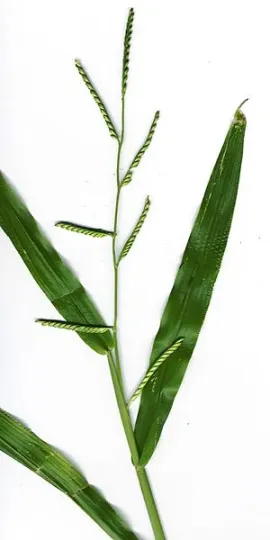
Description
Sowing dates
Sowing of Brachiaria subrostrata is typically performed at the onset of the rainy season, ensuring the soil is warm and moist enough for rapid germination.
Seeds should be planted at a depth of 1 to 2 centimeters to ensure good contact with the soil while allowing the seedlings to reach the surface easily.
Both seed sowing and vegetative propagation via plant division can be utilized, especially when the goal is to stabilize soil on slopes or eroded lands.
Due to the potential dormancy of the seeds, scarification or special handling may be required to achieve high and uniform germination rates in the field.
Seed density must be adjusted according to the intended use; higher densities are recommended for dense pasture establishment to suppress weed growth effectively.
Growing requirements
Brachiaria subrostrata belongs to the Poaceae family and is well-adapted to tropical conditions, requiring high temperatures and consistent rainfall for optimal development.
The crop is known for its versatility and ability to thrive on various soil types, including acidic and low-fertility soils often found in tropical environments.
It performs best in open, sunny areas, as shaded environments significantly reduce biomass production and negatively impact the nutritional value of the grass.
The plant exhibits significant drought tolerance thanks to a robust root system, allowing it to withstand short dry periods without a major decline in growth.
Fertilization, specifically nitrogen applications, is essential to maximize forage yields and maintain the nutritional quality of the plant tissue.
Yield
The biomass yield of Brachiaria subrostrata is highly dependent on effective management, particularly the frequency of grazing and the nutrient status of the soil.
With appropriate care, this crop can provide a sustainable forage supply over several years, making it a cost-effective solution for livestock producers.
Supplemental irrigation during periods of low rainfall can substantially improve biomass production and extend the productive season of the pasture.
Rotational grazing systems are highly recommended to prevent overgrazing, ensuring that plants have enough time to recover and regrow between grazing cycles.
- Excellent biomass production in tropical climates.
- High protein content if managed correctly through grazing cycles.
- Good regrowth ability after mowing or intense grazing.
Main diseases and pests
The primary pests affecting this grass are spittlebugs, which damage plant tissue and act as vectors for various plant diseases in tropical regions.
Fungal diseases, such as leaf spot or rust, can emerge under high humidity conditions and excessive canopy density, requiring careful field monitoring.
Maintaining proper spacing and air circulation within the canopy is a critical preventive measure to minimize the incidence of fungal pathogens.
Overgrazing reduces plant vigor and creates gaps in the sward, which invites invasive weeds to compete for moisture and soil nutrients.
Integrated pest management, including biological controls and targeted applications of fungicides, is recommended when pest populations reach economic threshold levels.
Harvesting
Harvesting for hay should be performed during the pre-flowering stage to maximize protein content and ensure the material is palatable for livestock.
For grazing purposes, livestock should be introduced when the grass reaches a height of approximately 30 to 40 centimeters to ensure optimal nutrition.
Mechanical harvesting requires keeping the cutting height above 5-7 centimeters to protect the plant's crown and facilitate faster regrowth.
Post-harvest fertilization is encouraged to replenish soil nutrients and stimulate the plant's metabolic activity for the subsequent growth cycle.
Delayed harvesting leads to increased lignification, which significantly reduces digestibility and overall feed quality for cattle and other herbivores.