
Brachiaria serrata
Brachiaria serrata
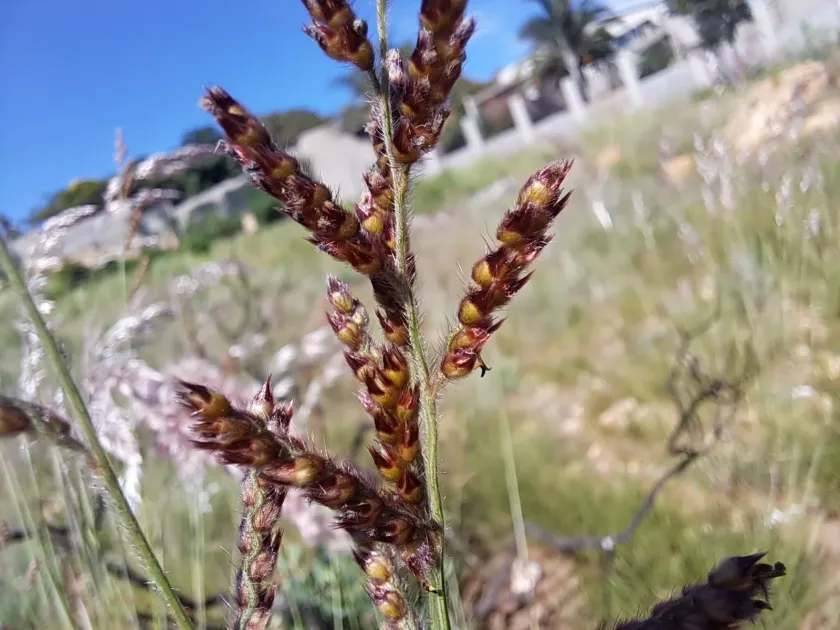
Description
Growing requirements
Brachiaria serrata is a perennial grass species belonging to the Poaceae family. It is native to the savannahs and grasslands of Africa, where it has evolved to thrive in environments characterized by distinct wet and dry seasons.
The plant is highly drought-tolerant, making it a valuable asset for agricultural systems in regions prone to water shortages. It adapts well to various soil types, including acidic and low-fertility soils where more demanding forage species might fail to establish.
Botanically, it is recognized by its narrow, textured leaves and panicle inflorescences. Its deep and expansive root system allows the plant to extract moisture from deep soil layers, ensuring survival and sustained growth during extended dry periods.
Optimal growth requires ample sunlight and temperatures ranging between 20 and 30 degrees Celsius. The species does not tolerate waterlogging; therefore, well-drained slopes are ideal locations for its cultivation to prevent root suffocation.
Agronomic management involves maintaining healthy stand density and periodic phosphorus fertilization to promote root vigor. Proper grazing management is essential to prevent overgrazing and allow the grass to regenerate its biomass effectively.
Yield
The primary economic use of Brachiaria serrata is in livestock production, specifically as a grazing forage. It provides a reliable source of nutrition for cattle, especially in ecosystems where other grasses become dormant or die back during the dry season.
The yield of this species is characterized by its high regrowth rate after grazing or mowing. This rapid recovery cycle makes it a preferred choice for producers looking to optimize their pasture usage throughout the growing season.
Incorporating Brachiaria serrata into pasture mixtures enhances the overall resilience of the grazing land. Its dense growth habit helps prevent soil erosion and minimizes the negative impact of livestock hoof traffic on the soil structure.
While often used for fresh grazing, it can also be harvested as hay. However, harvesting must be timed correctly—before the stems reach a lignified, high-fiber stage—to ensure optimal palatability and nutrient digestibility for the animals.
The longevity of the stand is a significant benefit, reducing the need for annual replanting. By maintaining the pasture over several years, farmers can achieve significant cost savings and improve the long-term sustainability of their livestock operations.
Main diseases and pests
Fungal diseases, particularly leaf spots and rusts, are the main threats to Brachiaria serrata, especially under high humidity conditions. These pathogens can significantly reduce the photosynthetic surface area, leading to lower biomass production.
Insects, such as bugs and certain lepidopteran larvae, can cause damage to both foliage and reproductive structures. Integrated pest management strategies, combining regular monitoring and targeted intervention, are necessary to mitigate these impacts.
Poor management practices, such as overgrazing or excessive nitrogen fertilization, can increase plant susceptibility to diseases. Creating wounds through heavy grazing allows pathogens to enter the plant tissues more easily.
Weed competition is primarily a concern during the establishment phase. Once the Brachiaria stand is fully established, its competitive nature allows it to suppress many weed species, significantly reducing the need for herbicides.
Field sanitation is a critical component of disease control. Removing plant debris at the end of the season reduces the survival of pathogens and pests, thereby providing a cleaner start for the subsequent year's growth.