
Brachiaria pubigera
Brachiaria pubigera
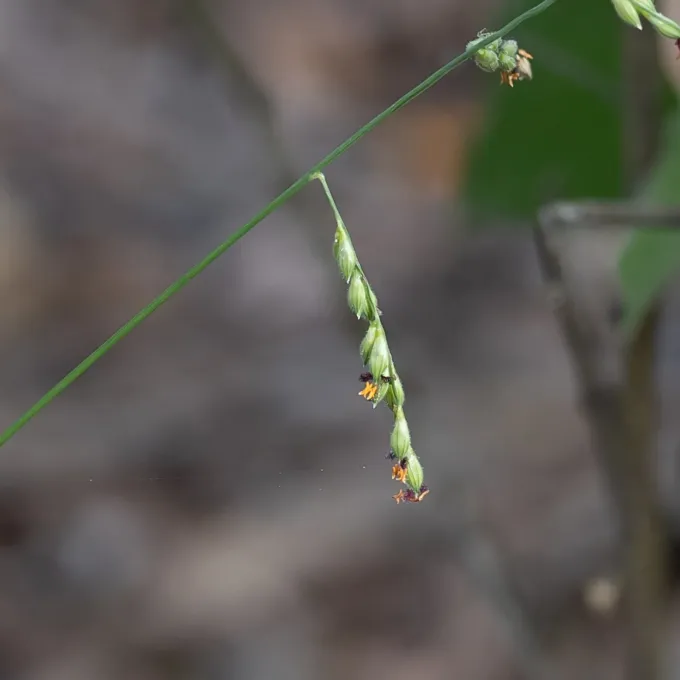
Description
Sowing dates
The ideal planting time for Brachiaria pubigera coincides with the beginning of the rainy season when soil temperatures are high enough to support rapid germination. Sowing in moist, warm soil is critical for establishing a uniform stand.
Seeds should be sown at a shallow depth of 1 to 2 centimeters. Proper soil contact is essential, and field rolling is often recommended after seeding to ensure optimal moisture retention around the seeds.
The seeding rate varies between 5 and 8 kilograms per hectare, depending on seed quality and planting method. Vegetative propagation is also possible, where rooted tillers are transplanted into prepared rows during the early wet season.
Avoiding sowing during periods of prolonged drought is crucial, as the seeds are sensitive to moisture deficiency until established. Supplementary irrigation can significantly boost survival rates in erratic climatic conditions.
Seedling monitoring is vital during the first month. As the plant exhibits slow initial growth, maintaining weed-free conditions is necessary to allow the grass to establish its root system without competition.
Growing requirements
Brachiaria pubigera, belonging to the Poaceae family, is highly adaptable to diverse soil types, including acid and low-fertility soils common in tropical regions. It thrives in well-drained soils but can tolerate short-term waterlogging.
This species requires high light intensity for optimal growth. Shaded environments negatively impact biomass accumulation and reduce the overall nutritional quality of the forage due to increased structural fiber.
The plant grows best in temperatures between 20 and 30 degrees Celsius. It is sensitive to frost, which causes growth to cease immediately. Therefore, it is strictly suited for tropical and subtropical climates.
While drought-tolerant, its yield is maximized with sufficient rainfall. Its deep root system allows the plant to tap into moisture reserves, keeping the foliage green long after other grasses have entered dormancy.
Fertilization, particularly with nitrogen, is highly effective in increasing forage production. Strategic application of phosphorous at the time of pasture establishment promotes vigorous root growth and quicker soil coverage.
Yield
Under intensive management, Brachiaria pubigera can yield between 15 to 20 tons of dry matter per hectare annually. Productivity is highly dependent on soil fertility levels and the frequency of grazing cycles.
Rotational grazing systems are essential for maintaining long-term productivity. Allowing the grass to recover after heavy grazing prevents root depletion and ensures the longevity of the pasture stand.
Peak biomass production usually occurs between the second and fourth year post-planting. Periodic maintenance, including light harrowing or strategic fertilization, can help sustain high yields over many years.
The forage quality remains high during the vegetative phase, offering good protein levels for livestock. Timing the grazing to capture this peak nutritional value is essential for maximizing weight gain in cattle.
Incorporating organic amendments such as manure can further boost yields. This practice also improves soil structure and water-holding capacity, creating a more resilient ecosystem for the grass stand.
Main diseases and pests
Fungal diseases, including leaf rust, are primary threats, especially in areas with high humidity and poor airflow. Managing the density of the stand helps mitigate the risk of severe disease outbreaks.
Soil-dwelling larvae can cause significant damage to the roots of young plants. Monitoring for signs of infestation and using integrated pest management strategies are standard procedures for high-density pastures.
Preventative measures include avoiding nitrogen over-application, which can make plants more susceptible to fungal pathogens. Ensuring good field ventilation through regular grazing or cutting is an effective control method.
If chemical interventions are necessary, choosing selective insecticides that do not harm beneficial insects is recommended. Biological controls are increasingly used to manage pest populations sustainably.
Keeping fields free from invasive weeds is crucial, as weeds can act as reservoirs for diseases. A strong, healthy stand of Brachiaria is generally capable of outcompeting most weed species after establishment.
Harvesting
For hay production, harvesting should take place at the onset of the flowering phase. This stage provides the best balance of crude protein, energy, and structural fiber, ensuring high-quality winter feed.
When preparing silage, moisture control is key. Wilting the cut material in the field to reach a 65–70 percent moisture level is essential before ensiling to ensure proper fermentation and prevent spoilage.
A cutting height of at least 10–12 centimeters is required to protect the plant's growing points. Cutting too low can severely hinder regrowth and shorten the lifespan of the pasture.
Modern conditioning mowers are highly recommended to accelerate drying times. By crushing the stems, the moisture release process is significantly improved, reducing the risk of losses during rain events.
Proper storage in protected facilities, such as hay sheds or under airtight covers, minimizes dry matter losses. High-quality preserved forage is vital for maintaining livestock health throughout the dry season.