
Brachiaria piligera
Brachiaria piligera
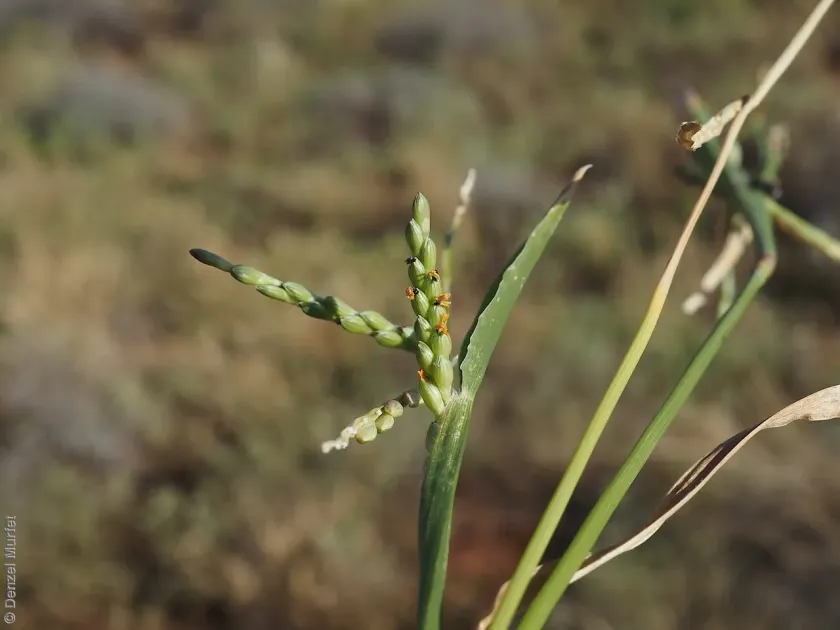
Description
Sowing dates
Sowing Brachiaria piligera is best performed at the beginning of the rainy season when soil temperatures are conducive to germination. Adequate moisture levels are critical to ensure rapid root establishment in the early stages.
Proper land preparation involves deep tillage to remove existing weeds and create a fine tilth. This process ensures consistent seed-to-soil contact, which is essential for uniform germination across the field.
The seeds should be sown at a shallow depth of approximately 1-2 centimeters. Deep planting can prevent seedlings from emerging, as the energy reserves in the small seeds are insufficient for deep soil penetration.
Seeding rates generally range from 5 to 10 kilograms per hectare, depending on the planting method used. Higher densities are recommended when planting for rapid pasture coverage.
Post-emergence weed management is essential during the first month. Slow early growth makes the crop susceptible to weed competition, necessitating careful monitoring or the use of selective herbicides.
Growing requirements
Brachiaria piligera belongs to the Poaceae (grass) family and is widely valued for its adaptability in tropical agricultural systems. It performs well in various soil types, even those with lower fertility and acidity.
The crop thrives in warm climates with optimal temperatures ranging from 20 to 35 degrees Celsius. While it demonstrates significant drought tolerance, consistent moisture leads to much higher biomass yields.
Good soil drainage is a primary requirement for success. Waterlogged conditions can lead to root rot and other fungal diseases, so selecting appropriate land or improving drainage is highly advisable.
Full sunlight is preferred for maximum growth rates. While the grass can survive partial shade, its nutritional quality and production capacity are significantly higher in open, well-lit areas.
Strategic fertilization, particularly with nitrogen, significantly boosts vegetative growth. This responsiveness makes it a highly viable crop for intensive grazing rotations where rapid forage recovery is required.
Main diseases and pests
Fungal diseases are among the primary threats, especially during extended periods of high humidity. Leaf spot symptoms can appear if the canopy is too dense or if the environment lacks sufficient airflow.
Pests such as spittlebugs and leafhoppers are known to damage the crop by sucking sap from the leaves and stems. This damage can reduce foliage vitality and increase the plant's susceptibility to other infections.
Integrated Pest Management (IPM) practices, such as maintaining healthy, vigorous pastures and rotating grazing areas, help reduce the incidence of pest outbreaks without excessive chemical intervention.
Root rot often occurs in poorly drained areas. Ensuring proper soil management and avoiding overgrazing can minimize the impact of soil-borne pathogens that compromise the plant's root system.
Regular monitoring of the pasture is recommended. In the event of an outbreak, prompt cutting of the affected area can help curb the spread of pathogens while stimulating new, clean growth.
Harvesting
Harvesting for forage can begin 60 to 80 days after planting. The first cut is particularly important as it encourages the plant to tiller, resulting in a thicker and more productive sward.
For optimal forage quality, it is recommended to harvest before the plant reaches the flowering stage. At this phase, the ratio of protein to fiber is highest, providing the best nutrition for livestock.
Maintaining a residual height of 10-15 centimeters is crucial for regrowth. This allows the plant's growing points to remain intact, facilitating a faster recovery for the next grazing or mowing cycle.
Rotational grazing systems are highly recommended to prevent overgrazing. By allowing the plants to rest and store carbohydrates in their roots, the pasture's longevity is significantly extended.
The harvested biomass is highly versatile and can be fed fresh, dried into hay, or ensiled. Its nutritional profile makes it a staple feed component for cattle in many tropical farming systems.