
Black-footed signalgrass
Brachiaria nigropedata
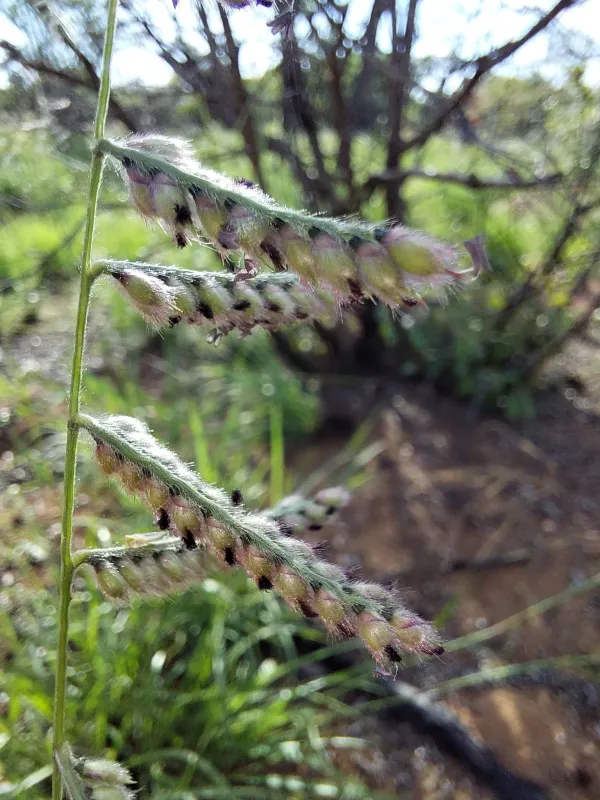
Description
Sowing dates
Sowing of black-footed signalgrass is best performed when soil temperatures stabilize between 18–20 degrees Celsius. Adequate soil moisture is crucial for successful germination, making the beginning of the rainy season the ideal time for seeding in tropical environments.
Seeds should be sown at a shallow depth of 1–2 centimeters to ensure optimal contact with the soil while preventing the germ from drying out. In commercial farming, standard seed drills are commonly used to achieve uniform seed distribution across the field.
The seeding rate depends on seed quality and the intended density of the pasture, usually ranging from 5 to 8 kilograms per hectare. This density promotes the establishment of a robust sward capable of withstanding grazing pressure from the very first year.
Proper land preparation, including deep plowing and leveling, is essential for successful growth. Clearing the area of competing weeds is vital, as seedlings of this species grow relatively slowly during the initial establishment phase and can be suppressed by aggressive vegetation.
The application of starter fertilizers, particularly those rich in nitrogen and phosphorus, accelerates root development and seedling vigor. This early boost allows the grass to form a resilient turf that can effectively recover after grazing cycles.
Growing requirements
Black-footed signalgrass belongs to the Poaceae family and is a characteristic species of tropical ecosystems. It shows remarkable adaptability to various soil types, including poor-quality loams and sandy soils, provided they are well-drained.
The plant exhibits excellent heat tolerance and the ability to endure extended dry spells. Originally native to savannahs, it is highly valued for its persistence and ability to survive in environments where water is intermittently available.
Ideal soil pH levels for this crop are slightly acidic to neutral, ranging from 5.5 to 7.0. On highly acidic soils, liming may be necessary to increase the bioavailability of essential nutrients like calcium and magnesium.
The crop is highly sensitive to waterlogging, so it should not be planted in low-lying areas or sites with high water tables. Excess water causes root rot and leads to a rapid decline in biomass production and stand density.
High light intensity is required for efficient photosynthesis. Planting the grass under dense tree shade is counterproductive, as it reduces the nutritive value and overall vitality of the pasture, making it less productive for livestock feeding.
Yield
Yield levels for black-footed signalgrass depend largely on nitrogen fertilizer application and grazing management. Under good agronomic practices, the crop can produce between 10 and 20 metric tons of dry matter per hectare per season.
Its high nutritive profile makes it an excellent choice for beef cattle pastures. Livestock readily consume the young foliage, which is rich in crude protein, supporting rapid weight gain and maintaining overall herd health.
In intensive production systems, yield is maintained through periodic mowing or strategic grazing, which encourages tillering and leaf renewal. Without active management, the grass tends to become stemmy and lignified, significantly reducing its digestibility for animals.
Biomass accumulation continues throughout the growing season, and the plant regrows quickly following grazing events. This characteristic makes it highly suitable for rotational grazing systems used in many tropical agricultural sectors.
- Crude protein content typically ranges from 12% to 14%.
- High digestibility for ruminant livestock.
- Consistent biomass production even during periods of moderate moisture stress.
Main diseases and pests
Various leaf-eating pests pose a significant threat to black-footed signalgrass, particularly during periods of high humidity. Feeding damage to the leaf tissue impairs photosynthesis and reduces the overall quality of the forage.
Fungal diseases, such as rust, may develop if temperature and humidity levels remain consistently high and unbalanced. Affected stands should be mowed to remove infected material and prevent the rapid spread of spores to healthy plants.
Root rot is a common issue resulting from poor drainage. This condition manifests through the wilting of the above-ground biomass and can lead to the death of the plants in areas where surface water tends to collect after rain.
Nematodes may attack the root systems, especially in sandy soils, leading to stunted growth and leaf yellowing. Implementing crop rotation and utilizing resistant varieties are recommended strategies to mitigate widespread damage.
Heavy weed competition during the early growth stages is a major biological constraint. If left unmanaged, invasive plants can easily outcompete the young signalgrass, requiring mechanical intervention to ensure successful crop establishment.